Exhibit animals
Planet Zoo 2 Exhibit Animals: Full List
Find small exhibit animals by group, biome and region to plan your exhibit collection. The official Zoopedia lists 46 of them as of November 22, 2026: 9 insects, a tarantula, a scorpion, a centipede, a snail, a jellyfish, 8 amphibians, 8 reptiles and 16 fish that can live in either an exhibit or an aquarium.
Last updated Game version: Launch version (October 13, 2026)
Quick answer: Planet Zoo 2 exhibit animals
- How many: 46 on the official Zoopedia: 9 insects, 2 spiders and scorpions, 3 other invertebrates, 8 amphibians, 8 reptiles and 16 fish that also fit an aquarium.
- Where they live: in an Exhibit on a path, with power and a Keeper who has a Keeper Hut. No staff gate.
- What to set: each species' temperature, humidity and group size. All 30 in one table, then the set-up checklist.
- Walkthrough exhibits: whether guests can walk in depends on the exhibit you place, not on the animal. Choose a walkthrough Exhibit in a shape the species fits and join it onto a path. Habitat, aviary and aquarium animals guests can walk among
Every exhibit animal
Filter by group, biome, continent, conservation status or edition, or browse all Planet Zoo 2 animals. Ticks for the exhibit animals you already keep count towards your whole zoo.
Showing 46 of 46 exhibit animals.
AquariumExhibit
African Tigerfish
Hydrocynus vittatus
Least Concern
- Biome
- Lakes and Rivers
- Found in
- Africa
- Class
- Ray-finned fish (Actinopterygii)
Exhibit
Amazonian Giant Centipede
Scolopendra gigantea
Not evaluated
- Biome
- Tropical
- Found in
- South America
- Class
- Centipede (Chilopoda)
Exhibit
American Bullfrog
Aquarana catesbeianus
Least Concern
- Biome
- Lakes and Rivers, Wetlands
- Found in
- North America
- Class
- Amphibian (Amphibia)
ExhibitDeluxe Edition
Axolotl
Ambystoma mexicanum
Critically Endangered
- Biome
- Lakes and Rivers
- Found in
- North America
- Class
- Amphibian (Amphibia)
AquariumExhibitDeluxe Edition
Blue and Gold Fusilier
Caesio teres
Least Concern
- Biome
- Reef
- Found in
- Indian Ocean, Pacific Ocean
- Class
- Ray-finned fish (Actinopterygii)
AquariumExhibit
Bluespine Unicornfish
Naso unicornis
Least Concern
- Biome
- Reef
- Found in
- Indian Ocean, Pacific Ocean
- Class
- Ray-finned fish (Actinopterygii)
AquariumExhibit
Blunthead Cichlid
Tropheus moorii
Least Concern
- Biome
- Lakes and Rivers
- Found in
- Africa
- Class
- Ray-finned fish (Actinopterygii)
Exhibit
Boa Constrictor
Boa constrictor
Least Concern
- Biome
- Tropical, Grassland
- Found in
- North America, South America
- Class
- Reptile (Reptilia)
AquariumExhibit
Boeseman's Rainbowfish
Melanotaenia boesemani
Endangered
- Biome
- Lakes and Rivers
- Found in
- Oceania
- Class
- Ray-finned fish (Actinopterygii)
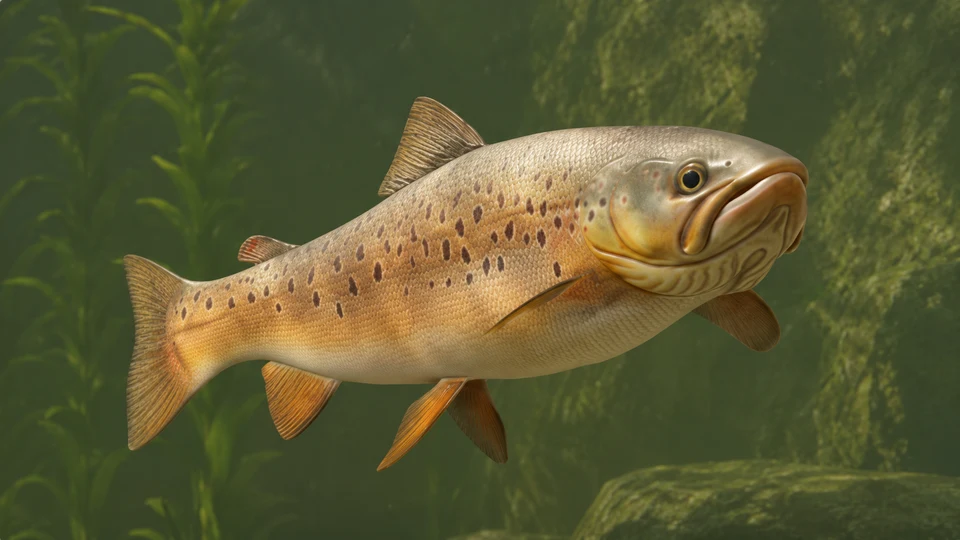
AquariumExhibit
Brown Trout
Salmo trutta
Least Concern
- Biome
- Lakes and Rivers
- Found in
- Europe
- Class
- Ray-finned fish (Actinopterygii)
Exhibit
Cloudless Sulphur
Phoebis sennae
Least Concern
- Biome
- Grassland, Taiga, Temperate
- Found in
- North America, South America
- Class
- Insect (Insecta)
AquariumExhibit
Clown Anemonefish
Amphiprion ocellaris
Least Concern
- Biome
- Reef
- Found in
- Indian Ocean, Pacific Ocean
- Class
- Ray-finned fish (Actinopterygii)
AquariumExhibit
Clown Loach
Chromobotia macracanthus
Least Concern
- Biome
- Lakes and Rivers
- Found in
- Asia
- Class
- Ray-finned fish (Actinopterygii)
Exhibit
Common Bluetongue
Tiliqua scincoides
Least Concern
- Biome
- Tropical, Grassland, Temperate
- Found in
- Oceania
- Class
- Reptile (Reptilia)
AquariumExhibit
Common Rudd
Scardinius erythrophthalmus
Least Concern
- Biome
- Lakes and Rivers
- Found in
- Asia, Europe
- Class
- Ray-finned fish (Actinopterygii)
Exhibit
Danube Crested Newt
Triturus dobrogicus
Least Concern
- Biome
- Lakes and Rivers, Wetlands
- Found in
- Europe
- Class
- Amphibian (Amphibia)
Exhibit
Desert Horned Viper
Cerastes cerastes
Least Concern
- Biome
- Desert
- Found in
- Africa, Asia
- Class
- Reptile (Reptilia)
Exhibit
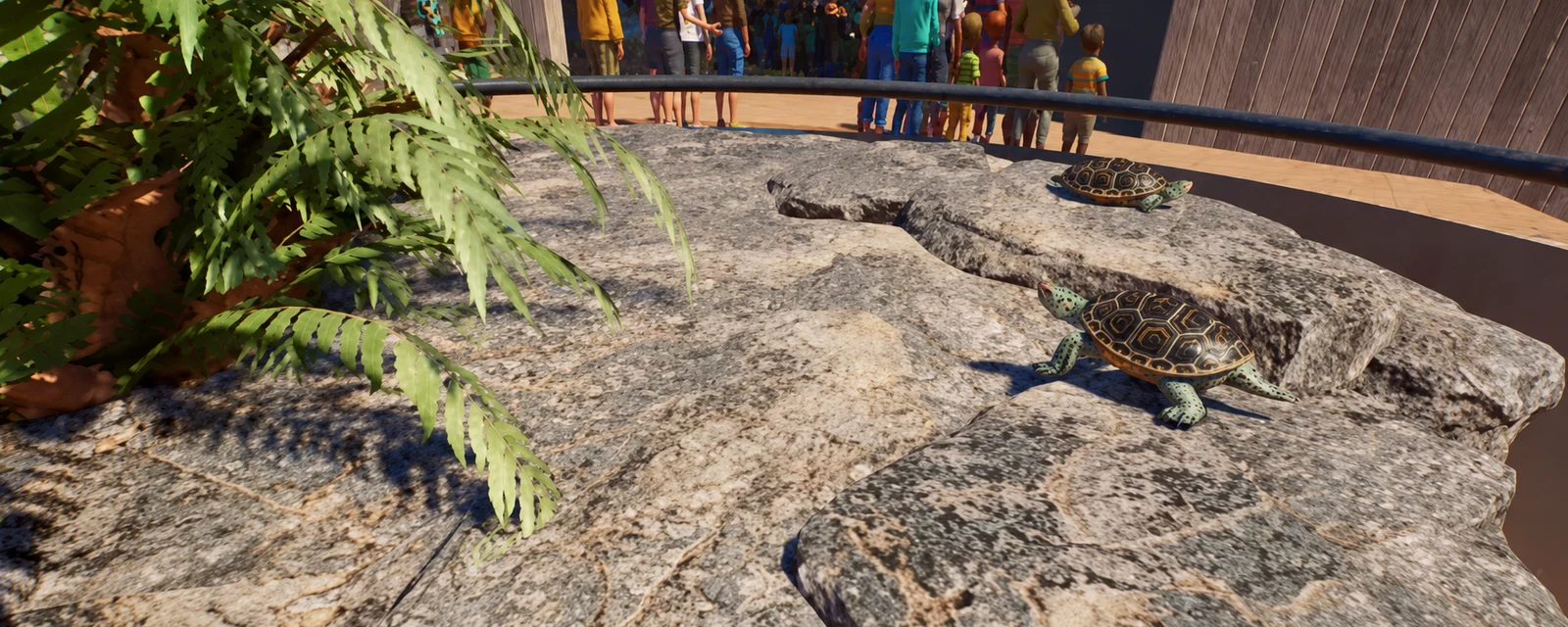
Diamondback Terrapin
Malaclemys terrapin
Vulnerable
- Biome
- Estuarine, Mangrove, Wetlands
- Found in
- North America
- Class
- Reptile (Reptilia)
Exhibit
Eastern Brown Snake
Pseudonaja textilis
Least Concern
- Biome
- Desert, Grassland, Temperate
- Found in
- Oceania
- Class
- Reptile (Reptilia)
Exhibit
European Peacock
Aglais io
Least Concern
- Biome
- Grassland, Temperate
- Found in
- Asia, Europe
- Class
- Insect (Insecta)
Exhibit
Fire Salamander
Salamandra salamandra
Vulnerable
- Biome
- Temperate, Wetlands
- Found in
- Europe
- Class
- Amphibian (Amphibia)
Exhibit
Giant Forest Scorpion
Gigantometrus swammerdami
Not evaluated
- Biome
- Tropical
- Found in
- Asia
- Class
- Arachnid (Arachnida)
AquariumExhibit
Giant Gourami
Osphronemus goramy
Least Concern
- Biome
- Lakes and Rivers
- Found in
- Asia
- Class
- Ray-finned fish (Actinopterygii)
Exhibit
Giant Malaysian Leaf Insect
Phyllium giganteum
Not evaluated
- Biome
- Tropical
- Found in
- Asia
- Class
- Insect (Insecta)
Exhibit
Giant Slippery Frog
Conraua goliath
Endangered
- Biome
- Lakes and Rivers
- Found in
- Africa
- Class
- Amphibian (Amphibia)
Exhibit
Giant Tiger Land Snail
Achatina achatina
Not evaluated
- Biome
- Tropical, Grassland
- Found in
- Africa
- Class
- Snail (Gastropoda)
Exhibit
Gila Monster
Heloderma suspectum
Near Threatened
- Biome
- Desert
- Found in
- North America
- Class
- Reptile (Reptilia)
Exhibit
Golden Poison Frog
Phyllobates terribilis
Endangered
- Biome
- Tropical
- Found in
- South America
- Class
- Amphibian (Amphibia)
Exhibit
Goliath Beetle
Goliathus goliatus
Not evaluated
- Biome
- Tropical, Grassland
- Found in
- Africa
- Class
- Insect (Insecta)
AquariumExhibit
Indo-Pacific Sergeant
Abudefduf vaigiensis
Least Concern
- Biome
- Open Sea, Reef
- Found in
- Indian Ocean, Pacific Ocean
- Class
- Ray-finned fish (Actinopterygii)
AquariumExhibit
Koi
Cyprinus sp.
Domesticated
- Biome
- Lakes and Rivers
- Found in
- Asia, Europe
- Class
- Ray-finned fish (Actinopterygii)
Exhibit
Lehmann's Poison Frog
Oophaga lehmanni
Critically Endangered
- Biome
- Tropical
- Found in
- South America
- Class
- Amphibian (Amphibia)
Exhibit
Menelaus Blue Morpho
Morpho menelaus
Not evaluated
- Biome
- Tropical, Grassland
- Found in
- South America
- Class
- Insect (Insecta)
Exhibit
Mexican Redknee
Brachypelma hamorii
Vulnerable
- Biome
- Desert, Tropical, Temperate
- Found in
- North America
- Class
- Arachnid (Arachnida)
Exhibit
Monarch
Danaus plexippus
Vulnerable
- Biome
- Tropical, Grassland, Temperate
- Found in
- Asia, Oceania, North America, South America
- Class
- Insect (Insecta)
Exhibit
Moon Jelly
Aurelia aurita
Not evaluated
- Biome
- Estuarine, Open Sea
- Found in
- Arctic Ocean, Atlantic Ocean, Indian Ocean, Pacific Ocean, Southern Ocean
- Class
- Jellyfish (Scyphozoa)
Exhibit
Old World Swallowtail
Papilio machaon
Least Concern
- Biome
- Grassland, Taiga, Temperate, Tundra
- Found in
- Asia, Europe, North America
- Class
- Insect (Insecta)
AquariumExhibit
Palette Surgeonfish
Paracanthurus hepatus
Least Concern
- Biome
- Reef
- Found in
- Indian Ocean, Pacific Ocean
- Class
- Ray-finned fish (Actinopterygii)
Exhibit
Red-Eyed Tree Frog
Agalychnis callidryas
Least Concern
- Biome
- Tropical
- Found in
- North America, South America
- Class
- Amphibian (Amphibia)
Exhibit
Sacred Scarab Beetle
Scarabaeus sacer
Not evaluated
- Biome
- Desert
- Found in
- Africa, Asia, Europe
- Class
- Insect (Insecta)
Exhibit
Sri Lankan Rose
Pachliopta jophon
Endangered
- Biome
- Tropical
- Found in
- Asia
- Class
- Insect (Insecta)
AquariumExhibit
Threespot Damselfish
Dascyllus trimaculatus
Least Concern
- Biome
- Mangrove, Reef
- Found in
- Indian Ocean, Pacific Ocean
- Class
- Ray-finned fish (Actinopterygii)
Exhibit
Western Diamondback Rattlesnake
Crotalus atrox
Least Concern
- Biome
- Desert, Grassland, Temperate
- Found in
- North America
- Class
- Reptile (Reptilia)
Exhibit
Yellow Anaconda
Eunectes notaeus
Least Concern
- Biome
- Grassland, Wetlands
- Found in
- South America
- Class
- Reptile (Reptilia)
AquariumExhibit
Yellow Tang
Zebrasoma flavescens
Least Concern
- Biome
- Reef
- Found in
- Pacific Ocean
- Class
- Ray-finned fish (Actinopterygii)
Exhibit animals by group
- Insects (9): Cloudless Sulphur, European Peacock, Giant Malaysian Leaf Insect, Goliath Beetle, Menelaus Blue Morpho, Monarch, Old World Swallowtail, Sacred Scarab Beetle and Sri Lankan Rose
- Spiders and scorpions (2): Giant Forest Scorpion and Mexican Redknee
- Other invertebrates (3): Amazonian Giant Centipede, Giant Tiger Land Snail and Moon Jelly
- Amphibians (8): American Bullfrog, Axolotl, Danube Crested Newt, Fire Salamander, Giant Slippery Frog, Golden Poison Frog, Lehmann's Poison Frog and Red-Eyed Tree Frog
- Reptiles (8): Boa Constrictor, Common Bluetongue, Desert Horned Viper, Diamondback Terrapin, Eastern Brown Snake, Gila Monster, Western Diamondback Rattlesnake and Yellow Anaconda
- Fish (also fit an aquarium) (16): African Tigerfish, Blue and Gold Fusilier, Bluespine Unicornfish, Blunthead Cichlid, Boeseman's Rainbowfish, Brown Trout, Clown Anemonefish, Clown Loach, Common Rudd, Giant Gourami, Indo-Pacific Sergeant, Koi, Palette Surgeonfish, Schooling Bannerfish, Threespot Damselfish and Yellow Tang
The 16 fish are the same ones listed on the aquatic animals page: the Zoopedia gives them both habitat types, so you can show them in a small exhibit or in a larger aquarium.
Exhibit animals are adopted in Trading like the others, where each animal is priced in credits or in cash; our guide to earning Conservation Credits in Planet Zoo 2 covers the credit side.
Temperature and humidity for every exhibit animal
The official Zoopedia panel of each of the 30 animals kept only in exhibits gives a group size, a temperature range and a humidity range (the moon jelly also lists its water type, covered on the Planet Zoo 2 water filtration page); it lists no area or barrier. The 16 fish are in the water-area table on the aquatic animals page; to compare several animals, use the habitat planner.
| Animal | Group size | Temperature | Humidity or water |
|---|---|---|---|
| Amazonian Giant Centipede | 1–2 | 23°C to 29°C | 50% to 84% |
| American Bullfrog | 1–4 | 23°C to 29°C | 60% to 80% |
| Axolotl | 1–5 | 15°C to 20°C | 80% to 90% |
| Boa Constrictor | 1–2 | 23°C to 31°C | 60% to 80% |
| Cloudless Sulphur | 1–8 | 21°C to 28°C | 50% to 84% |
| Common Bluetongue | 1–2 | 25°C to 35°C | 50% to 60% |
| Danube Crested Newt | 1–6 | 12°C to 25°C | 55% to 75% |
| Desert Horned Viper | 1–4 | 23°C to 31°C | 15% to 25% |
| Diamondback Terrapin | 1–8 | 21°C to 32°C | 65% to 80% |
| Eastern Brown Snake | 1–5 | 23°C to 29°C | 60% to 85% |
| European Peacock | 1–8 | 18°C to 25°C | 60% to 80% |
| Fire Salamander | 1–6 | 15°C to 24°C | 60% to 75% |
| Giant Forest Scorpion | 1–6 | 21°C to 30°C | 65% to 85% |
| Giant Malaysian Leaf Insect | 1–2 | 22°C to 30°C | 50% to 70% |
| Giant Slippery Frog | 1–2 | 26°C to 32°C | 74% to 86% |
| Giant Tiger Land Snail | 1–3 | 20°C to 28°C | 70% to 80% |
| Gila Monster | 1–4 | 24°C to 32°C | 15% to 25% |
| Golden Poison Frog | 1–2 | 26°C to 31°C | 80% to 90% |
| Goliath Beetle | 1–3 | 23°C to 36°C | 40% to 60% |
| Lehmann's Poison Frog | 1–2 | 26°C to 31°C | 80% to 90% |
| Menelaus Blue Morpho | 1–8 | 21°C to 35°C | 65% to 85% |
| Mexican Redknee | 1–2 | 23°C to 29°C | 40% to 60% |
| Monarch | 1–8 | 21°C to 30°C | 40% to 60% |
| Moon Jelly | 1–3 | 9°C to 19°C | 80% to 90%; Saltwater |
| Old World Swallowtail | 1–8 | 18°C to 24°C | 40% to 60% |
| Red-Eyed Tree Frog | 1–5 | 26°C to 31°C | 80% to 90% |
| Sacred Scarab Beetle | 1–3 | 20°C to 35°C | 40% to 60% |
| Sri Lankan Rose | 1–8 | 21°C to 35°C | 40% to 60% |
| Western Diamondback Rattlesnake | 1–2 | 24°C to 30°C | 40% to 60% |
| Yellow Anaconda | 1–2 | 25°C to 30°C | 80% to 90% |
How to set up an exhibit
An exhibit is a standalone vivarium for small animals such as frogs, snakes and small fish. It needs no staff gate, but it only works when it is on a path, has power and has a Keeper with a Keeper Hut. Once powered it holds the temperature, humidity and salinity you set, so the ranges in the table above are what you enter for each species. Tick off the ten steps as you build. If the animals go hungry once it is running, see why keepers are not feeding in Planet Zoo 2. Want guests to walk in? Place a walkthrough Exhibit; the walkthrough animals page also lists the habitat, aviary and aquarium animals guests can walk among.
0 of 10 steps ticked. Your ticks stay in this browser.
Phobia image replacement
Not everyone wants a close look at a Mexican Redknee or a snake. Frontier lists phobia image replacement among Planet Zoo 2's accessibility options, next to UI scaling, a colour vision deficiency mode, separate audio sliders and font scaling.
Deluxe Edition exhibit animals
The Axolotl and Blue and Gold Fusilier are exhibit animals included with the Deluxe Edition or the Deluxe Upgrade Pack. See the Planet Zoo 2 Deluxe Edition page for what else it includes.
Biomes of the exhibit animals
Exhibit animals come from all twelve biomes, from Desert snakes to Rainforest frogs. The biomes page lists every animal of each biome, so you can see which exhibit animals share a landscape with the habitat animals around them.
Planet Zoo 2 exhibit animal questions
What do exhibit animals need in Planet Zoo 2?
An Exhibit that is on a path, has power and is looked after by a Keeper with a Keeper Hut, in a shape that suits the species. Then set the temperature and humidity in the range its Zoopedia panel gives and keep to its group size; the panel lists no area or barrier for the 30 animals kept only in exhibits.
Why does the in-game Zoopedia show no temperature for exhibit animals?
It was a bug: the in-game Zoopedia left out temperature and humidity for the 30 animals kept only in exhibits. Update 1.0.10 fixed it, so their panels now show both. The table on this page lists both ranges for each of them.
How many exhibit animals are in Planet Zoo 2?
The official Zoopedia lists 46 exhibit animals as of November 22, 2026: 9 insects, two arachnids, 3 other invertebrates, 8 amphibians, 8 reptiles and 16 fish that can also live in an aquarium.
Are there spiders and snakes in Planet Zoo 2?
Yes. The Mexican Redknee is a tarantula and the Giant Forest Scorpion is also an exhibit animal. The five snakes are the Boa Constrictor, Desert Horned Viper, Eastern Brown Snake, Western Diamondback Rattlesnake and Yellow Anaconda.
Does Planet Zoo 2 have an arachnophobia or phobia mode?
Frontier lists phobia image replacement among the game's accessibility options, next to UI scaling, a colour vision deficiency mode and separate audio sliders.
Where do you put exhibit animals in Planet Zoo 2?
In an Exhibit, a standalone vivarium from the Exhibits tab that needs no staff gate. It works once it is connected to a path, has power and is looked after by a Keeper with a Keeper Hut; then set its temperature, humidity and salinity for the species.
Can guests walk through exhibits in Planet Zoo 2?
Yes. Place a walkthrough Exhibit and connect it directly to your path network. Each exhibit shape only takes suitable species, so the game shows which shapes an animal can use.
Why do my exhibit animals breed so much in Planet Zoo 2?
Exhibit animals bred too easily at launch. Update 1.0.6 lowered their fertility, and Update 1.0.8 spread their births through the breeding season instead of all at its start. Automatic population management for exhibits is one of the things Frontier is looking into for a later update; until then, send extra animals to Animal Storage yourself.
Which exhibit animals are only in the Deluxe Edition?
Two: the Axolotl and Blue and Gold Fusilier. The other 44 exhibit animals come with the base game.
Sources
- Planet Zoo 2 Zoopedia, Exhibit filter (official)
- Habitats & Exhibits player guide (official)
- Planet Zoo 2 Help and FAQ: accessibility (official)
Checked against the official pages on November 22, 2026.
Continue reading
 Next stepSome exhibit fish also live in aquariums. See the full aquarium list.Planet Zoo 2 Aquatic Animals and Sharks ListAll aquarium animals: fish, sharks, rays, the sea turtle and the manatee, by water biome, with the fish that also fit an exhibit.Go there
Related pages
 WalkthroughPlanet Zoo 2 Walkthrough Animals: Full ListEvery animal guests can walk through, from the official Zoopedia: habitat animals, aviary birds and aquarium animals, the walk-through pairs that can share a home, and how to build each kind.
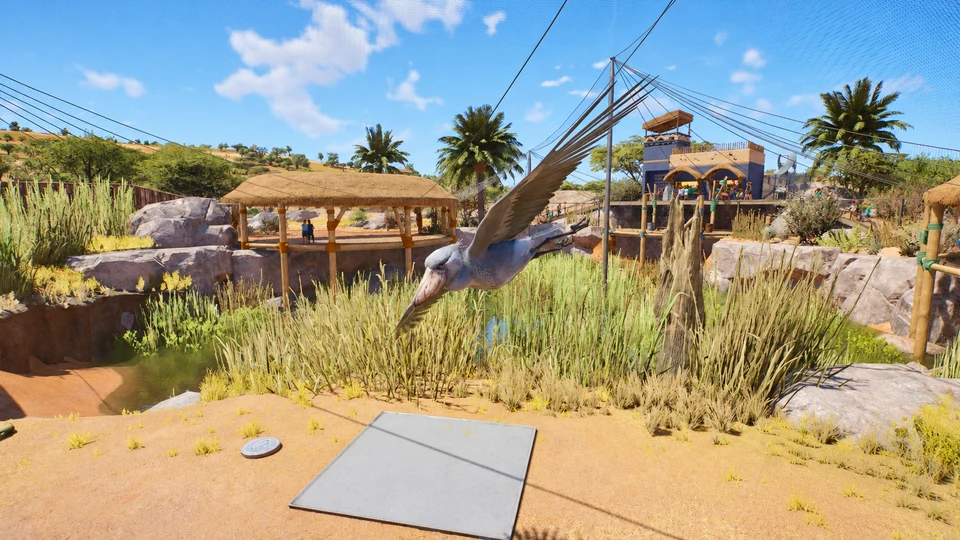 AviaryPlanet Zoo 2 Flying Animals: All Aviary BirdsThe birds that fly in aviaries, from eagles and owls to the Toco Toucan, with the biome and continent of each.
