Confirmed habitat requirements, side by side
These values are visible on Frontier's animal pages, checked on October 13, 2026. The official planner initially selects 1 adult. The area columns below use that setting; they are not totals for a complete group and must not be multiplied as a habitat formula. A Lion still needs the preferred social group shown in the group column.
From the official Zoopedia. Space at the planner's default adult count.| Animal / source | Land | Shelter | Temperature | Mixed group | Barrier |
|---|
| Lion | 810 m² | 10 m² | 14°C–41°C | 2–30 | Grade 3; 3 m |
|---|
| Giant Panda | 650 m² | 15 m² | 14°C–33°C | 1–10 | Grade 4; 2 m |
|---|
| Black Rhinoceros | 770 m² | 40 m² | 14°C–41°C | 1–3 | Grade 4; 2 m |
|---|
These launch examples are part of a larger database: the Habitat Planner now compares checked requirements for 136 animals. Change the adult count to see an individually checked area output. A shared biome alone does not establish compatibility.
Seen in the game
These do not change the official requirements above.
Do green checks guarantee Thriving?
Not always: a West Indian Manatee can still show Not Thriving while all five visible requirement rows have green checks.
Its Welfare showed 100% at the same time. One case like this does not point to a fix or a universal Thriving formula.
Which accreditation tier unlocks the Greater Flamingo?
Tier 2, as the Greater Flamingo’s Zoopedia page shows in Career.
It does not establish every tier objective or reward.
Which accreditation tier unlocks the North Sulawesi Babirusa?
Tier 3, as the North Sulawesi Babirusa’s Zoopedia page shows in Career.
This is one animal’s unlock tier, not a full Career unlock table.
In-game Zoopedia empty, or showing only the Aardvark? Update 1.0.11 fixed that bug on 12 November 2026. If you still see it, the Planet Zoo 2 not working page has what to try, and the lookup on this page works in the meantime.
What a Zoopedia entry tells you
The official entries combine real-species background with game-specific information:
- Habitat: the checked pages now show space, group ranges, barriers and environment requirements. For birds that includes flight area, collected on our Planet Zoo 2 flyable area page.
- Relationships: the species an entry names as Thriving or Neutral companions. Every pairing is collected on our Planet Zoo 2 thriving relationships page.
- Lifecycle: the in-game Zoopedia adds each animal's mating season, gestation, litter size and breeding difficulty; the online one does not. Our Planet Zoo 2 breeding guide compares them for every animal we could check.
- Accreditation tier: the in-game Zoopedia marks the tier that unlocks each animal; the online one does not. Every animal's tier in Career and Franchise is on our Planet Zoo 2 accreditation tiers page.
- Overview: a description of the real species, its size and its scientific name.
- Found in: the continents or oceans where it lives in the wild.
- Class, order, family and genus: where it sits in the animal kingdom.
- Conservation status: its IUCN category, an estimate of the wild population and what threatens it.
- Release: for most species, its valid release group types and, for many, the Wildlife Reserves it can go to. Our Planet Zoo 2 release groups page collects them for every animal.
- Social and reproduction: how it lives in groups, how it breeds and how long the young stay with their parents.
- Animal facts: a few short facts about the species.
The list page adds the game side: filters for habitat type, biome, continent, conservation status and content pack (base game or Deluxe Edition). Frontier notes that the Zoopedia is a work in progress, so text and details can still change. Our Planet Zoo 2 animal list puts all of those filters on one page.
The four habitat types
A few fish are listed for both an aquarium and an exhibit, so the four numbers add up to more than 136. Flying habitats and aquariums are new: Frontier calls Planet Zoo 2 the first game in the series with birds and fully aquatic animals.
The twelve biomes
Each entry names one or more biomes. In Zoopedia order: Desert (17), Estuarine (15), Grassland (46), Lakes and Rivers (17), Mangrove (10), Open Sea (14), Reef (24), Taiga (14), Temperate (26), Tropical (40), Tundra (9) and Wetlands (26). The Planet Zoo 2 biomes page lists the animals of each one and finds the biomes several animals share.
Continents and oceans
Each entry names the continents or oceans the species lives in. The Planet Zoo 2 animals by continent page lists every animal of each one, for planning a themed zoo.
| Found in | Animals |
|---|
| Africa | 44 |
| Arctic | 1 |
| Asia | 47 |
| Europe | 22 |
| North America | 17 |
| Oceania | 8 |
| South America | 14 |
| Arctic Ocean | 1 |
| Atlantic Ocean | 5 |
| Indian Ocean | 26 |
| Pacific Ocean | 28 |
| Southern Ocean | 1 |
Classes in the Zoopedia
The 136 animals belong to eleven classes: 51 mammals (Mammalia), 29 ray-finned fishs (Actinopterygii), 14 birds (Aves), 14 reptiles (Reptilia), 9 insects (Insecta), 8 amphibians (Amphibia), 6 shark or rays (Chondrichthyes), 2 arachnids (Arachnida), 1 centipede (Chilopoda), 1 snail (Gastropoda) and 1 jellyfish (Scyphozoa).
Conservation status
57 animals are listed as threatened in the wild (critically endangered, endangered or vulnerable). In the game, releasing animals back into the wild happens in Wildlife Reserves. The full count by status:
| Status | Animals |
|---|
| Critically Endangered | 14 |
| Endangered | 23 |
| Vulnerable | 20 |
| Near Threatened | 5 |
| Least Concern | 63 |
| Data Deficient | 1 |
| Not evaluated | 8 |
| Domesticated | 2 |
Deluxe Edition animals
The Zoopedia marks six animals with the Deluxe content pack: the Axolotl, Blue and Gold Fusilier, Golden Eagle, Golden Lion Tamarin, Great Hammerhead and Longfin Batfish. They are included with Deluxe or the separately sold Deluxe Upgrade Pack; the Deluxe Edition animals page compares the two editions.
The launch-day additions
Asian Small-Clawed Otter, Binturong, Black Rhinoceros, Javanese Cownose Ray, Koi and Sand Tiger Shark joined the roster on launch day. There are no remaining named-but-unlisted animals in our launch record. See the official update timeline for the earlier reveals.
Every Zoopedia update before launch, week by week
Frontier opened the online Zoopedia in June 2026 and then added animals almost every week: 15 updates with 111 animals between June 30, 2026 and October 6, 2026, 14 of them on a Tuesday. From October 2 Frontier also revealed the final 12 species one at a time. Since launch the Zoopedia changes with game updates instead: Update 1.0.4 updated it together with the cohabitation lists. An in-game Zoopedia that came up empty was a bug on Frontier's issue tracker that Update 1.0.11 fixed.
The animals each weekly update added, as Frontier named them.| Date | Animals added |
|---|
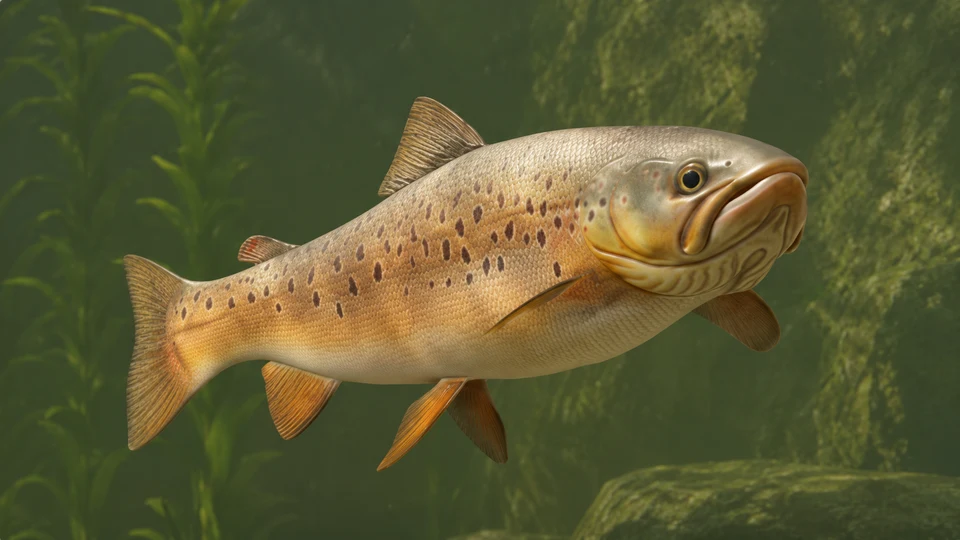
| June 30, 2026 | Common Hippopotamus, Red Panda, Humphead Wrasse, European Peacock, Danube Crested Newt, Goodfellow's Tree-Kangaroo, Brown Trout |
|---|
| July 7, 2026 | Plains Zebra, Blue Wildebeest, Hawksbill Turtle, Lion, Common Bluetongue, Golden Poison Frog, Red Deer, Eurasian Brown Bear |
|---|
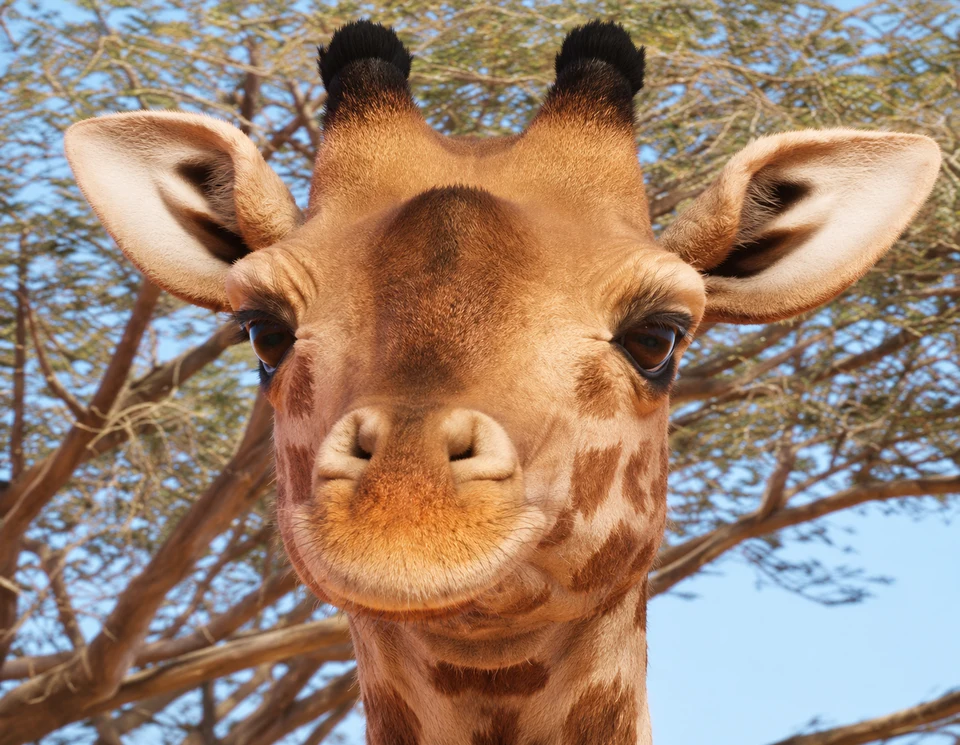
| July 14, 2026 | Aardvark, Blunthead Cichlid, Masai Giraffe, Giant Malaysian Leaf Insect, Gemsbok, Fire Salamander, Ocean Sunfish |
|---|
| July 22, 2026 | Schooling Bannerfish, Boa Constrictor, African Tigerfish, Blacktip Reef Shark, Gharial, Spotted Eagle Ray (no longer listed), Gila Monster, Red Lionfish, Springbok |
|---|
| July 28, 2026 | Golden Trevally, Diamondback Terrapin, Blackspotted Puffer, Reticulated Giraffe, Clown Loach, American Bullfrog, Pacific Sardine |
|---|
| August 4, 2026 | Toco Toucan, Grey Wolf, Indo-Pacific Sergeant, Cape Buffalo, Giant Slippery Frog, Thomson's Gazelle, Sri Lankan Rose, Dolphinfish, Long-Eared Owl, Meerkat |
|---|
| August 11, 2026 | Yellow Tang, White-Tailed Sea-Eagle, Western Diamondback Rattlesnake, Spotted Hyena, Old World Swallowtail, Great Hornbill, Eurasian Lynx |
|---|
| August 18, 2026 | Western Lowland Gorilla, Palette Surgeonfish, Mexican Redknee, Galápagos Giant Tortoise, Mountain Hare, Eastern Brown Snake, Boeseman's Rainbowfish, Malayan Tapir |
|---|
| August 25, 2026 | Sailfin Snapper, Eurasian Beaver, Cloudless Sulphur, Sunda Pangolin, Giant Tiger Land Snail, Clown Triggerfish, Black Wildebeest, Nile Monitor |
|---|
| September 1, 2026 | Pacific Bluefin Tuna, Desert Horned Viper, Sable Antelope, Eurasian Bittern, Komodo Dragon, Yellow Anaconda, Ring-Tailed Lemur, Bluespine Unicornfish |
|---|
| September 8, 2026 | Nyala, Menelaus Blue Morpho, Przewalski's Horse, Lehmann's Poison Frog, White-Backed Vulture, Common Rudd |
|---|
| September 15, 2026 | Giant Panda, Goliath Beetle, Giant Grouper, Giant Forest Scorpion, Common Warthog, Indian Ocean Oriental Sweetlips, Snow Leopard, Sun Bear |
|---|
| September 22, 2026 | Giant Gourami, African Wild Dog, Amazonian Giant Centipede, Asian Elephant, Sacred Scarab Beetle, Clown Anemonefish |
|---|
| September 29, 2026 | Monarch, Bactrian Camel, Wild Boar, Common Ostrich, Threespot Damselfish, Moon Jelly |
|---|
| October 6, 2026 | Siamang, Red-Eyed Tree Frog, Javan Green Magpie, Grizzly Bear, Greater Flamingo, North Sulawesi Babirusa |
|---|