Conservation
Planet Zoo 2 Wildlife Reserves: Release Guide
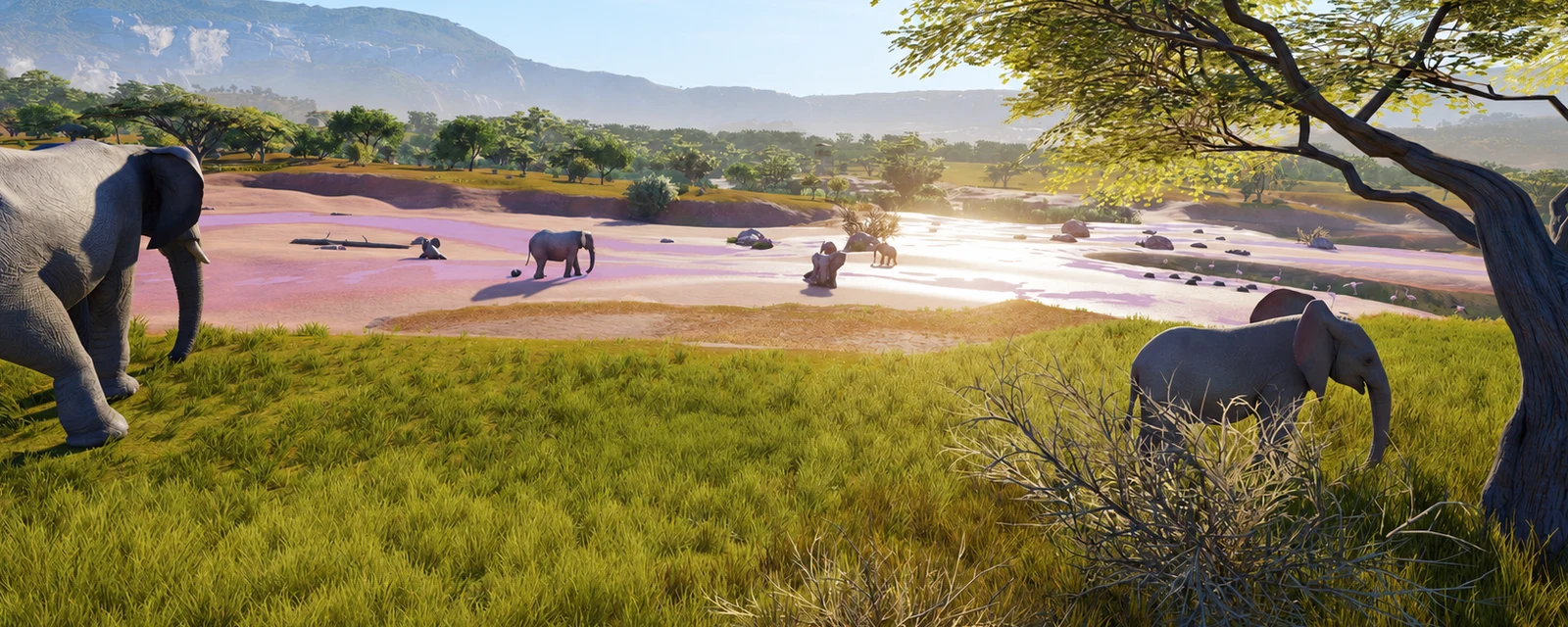
Planet Zoo 2 has six Wildlife Reserves, natural areas around the world where you restore Ecosystems and release animals raised in your zoos; 58 of the 136 animals can go to at least one. To release animals, you meet a release group's requirements, such as longevity, fertility and genetic diversity, prepare a suitable Ecosystem, and build a Research Network that earns Conservation Credits and unlocks species research.
Last updated Game version: Update 1.0.11 (November 12, 2026)
Quick answer: the animals each reserve takes, and how to release them
Six Wildlife Reserves take 58 of the 136 animals. Each row lists every animal whose official Zoopedia entry names that reserve, read again on November 22, 2026 (game build 26547737).
How to release animals:
- Research the species, then move the animals into Animal Storage.
- Create a release group under Animal Trading & Storage, add animals that meet its needs and finalise it.
- Release it into an Established Ecosystem in a reserve that takes the species, or choose Quick Release for Conservation Credits at once.
| Wildlife Reserve | Continent | Main animal biomes | Animals you can release |
|---|---|---|---|
| Great Rift Valley Reserve | Africa | Grassland, Desert | 27 animalsAardvark, African Leopard, African Savannah Elephant, African Tigerfish, African Wild Dog, Black Rhinoceros, Black Wildebeest, Blue Wildebeest, Blunthead Cichlid, Cape Buffalo, Common Hippopotamus, Common Warthog, Gemsbok, Greater Flamingo, Lion, Masai Giraffe, Meerkat, Nile Monitor, Nyala, Plains Zebra, Reticulated Giraffe, Sable Antelope, Secretarybird, Shoebill, Spotted Hyena, Springbok and White-Backed VultureOnly here: Meerkat |
| Tanzania Reserve | Africa | Grassland, Desert | 28 animalsAardvark, African Leopard, African Savannah Elephant, African Tigerfish, African Wild Dog, Black Rhinoceros, Black Wildebeest, Blue Wildebeest, Blunthead Cichlid, Cape Buffalo, Common Hippopotamus, Common Ostrich, Common Warthog, Gemsbok, Greater Flamingo, Lion, Masai Giraffe, Nile Monitor, Nyala, Plains Zebra, Reticulated Giraffe, Sable Antelope, Secretarybird, Shoebill, Spotted Hyena, Springbok, Thomson's Gazelle and White-Backed VultureOnly here: Common Ostrich and Thomson's GazelleWhat each release panel asks for: Planet Zoo 2 Tanzania Reserve |
| Sumatra Reserve | Asia | Tropical, Wetlands | 15 animalsAsian Elephant, Asian Small-Clawed Otter, Binturong, Clown Loach, Giant Gourami, Great Hornbill, Long-Tailed Parakeet, Malayan Tapir, North Sulawesi Babirusa, Saltwater Crocodile, Siamang, Sumatran Orangutan, Sumatran Tiger, Sun Bear and Sunda PangolinOnly here: all 15; no other reserve takes them |
| Scottish Highlands | Europe | Temperate, Taiga | 11 animalsBrown Trout, Common Rudd, Eurasian Beaver, Eurasian Lynx, Golden Eagle, Grey Wolf, Long-Eared Owl, Mountain Hare, Red Deer, White-Tailed Sea-Eagle and Wild BoarDeluxe Edition: Golden Eagle |
| Sweden Reserve | Europe | Temperate, Taiga | 12 animalsBrown Trout, Common Rudd, Eurasian Beaver, Eurasian Brown Bear, Eurasian Lynx, Golden Eagle, Grey Wolf, Long-Eared Owl, Mountain Hare, Red Deer, White-Tailed Sea-Eagle and Wild BoarOnly here: Eurasian Brown BearDeluxe Edition: Golden EagleIts Ecosystems and Career goals: Planet Zoo 2 Sweden Reserve |
| Poland Reserve | Europe | Temperate, Taiga | 11 animalsBrown Trout, Common Rudd, Eurasian Beaver, Eurasian Bittern, European Bison, Golden Eagle, Grey Wolf, Long-Eared Owl, Red Deer, White-Tailed Sea-Eagle and Wild BoarOnly here: Eurasian Bittern and European BisonDeluxe Edition: Golden Eagle |
Release checklist
The 15 steps from Frontier's Wildlife Reserves guide, from your zoo to the wild. Tick them off as you go; the list is the same for every species, and each species' own requirements are shown in the game.
0 of 15 steps ticked. Your ticks stay in this browser.
What a Wildlife Reserve is
In the first Planet Zoo, releasing an animal simply earned conservation credits and the animal was gone. In Planet Zoo 2 you follow it into the wild: a Wildlife Reserve is a large, natural space you rewild and look after with only a small staff, and the animals you release live out their lives there, raise young and add to the wild population of their species. Reserves appear in all three game modes (Career, Sandbox and Franchise) and are run from the Planet Hub with the rest of your zoo network.
Where the reserves are
Frontier places Wildlife Reserves in different parts of the world and has named the rainforests of Sumatra and the grasslands of the Great Rift Valley as examples. The official animal entries name six reserves: Great Rift Valley Reserve, Tanzania Reserve, Sumatra Reserve, Scottish Highlands, Sweden Reserve and Poland Reserve. Our Planet Zoo 2 release groups by animal page lists every species each one accepts, and the table at the top of this page sorts them by reserve.
Ecosystems: restoring the land first
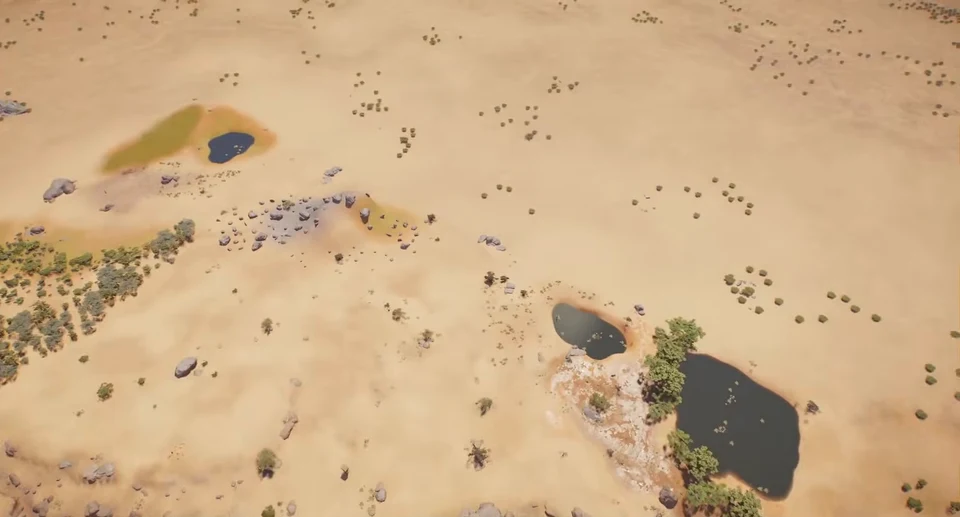
Each reserve holds several Ecosystems, and what they can be depends on where the reserve is, for example watering holes in grassland reserves and lowland marshes in broadleaf reserves. You paint each one with the Ecosystem Brush and choose its type. It starts as Invalid and becomes Established once its area, terrain and nature requirements are met; some types also need the right amount of water, or highland or lowland ground. Terrain sculpting, terrain paints and nature objects of the listed foliage type are the tools for it.
Animals play different roles once they are released, such as rooting through soil, browsing on trees and hunting as predators. Each release group lists the Ecosystem Roles it fills; when an Established Ecosystem has all of its roles, it becomes Flourishing, which some release groups need and which raises the reserve's rating. The official Zoopedia tags 59 species with 23 roles, from Low Browsers to Wetland Engineers. Only three animals are Wetland Engineers, one for each region, and most water Ecosystems need one: our Planet Zoo 2 Wetland Engineers page shows which. The role the most Ecosystems ask for is Low Browsers, and few animals fill it; the Planet Zoo 2 Low Browsers page shows which reserve takes which. The Planet Zoo 2 Ecosystem Roles finder lists the roles each of the 32 Ecosystem types needs and which animals in each reserve fill them. The Planet Zoo 2 biomes page shows which animals come from each kind of landscape.
Biodiversity Rating: Ecosystem and Research
Every reserve has a Biodiversity Rating made of two parts. The Ecosystem Rating measures how far you have restored the land: it rises with Established and Flourishing Ecosystems and with Species Diversity, the number of different species released, and falls with Environmental Pollution and Invasive Flora. The Research Rating measures how well you can watch the released animals, and rises with a network of Observation Platforms, Acoustic Monitors and Camera Traps.
Invasive Flora counts the plants that are not native to the reserve's location and harm it. Remove all of them with the Demolish Brush, along with every source of pollution; how to spot them is on our Planet Zoo 2 invasive flora page. For the Research Rating, keep the Observation Platforms' coverage from overlapping, give the Acoustic Monitors enough Ecosystem coverage, and place each Camera Trap where it records the set number of animal behaviours, such as grazing and foraging; trees and other objects help.
To raise a reserve's Biodiversity stars, work through these in order:
- Paint each Ecosystem with the Ecosystem Brush and meet its area, terrain and nature needs until it is Established.
- Release species whose Ecosystem Roles cover everything each Ecosystem lists, so it turns Flourishing: a species with several roles, such as the Red Deer or the Wild Boar, fills more than one gap.
- Clear every source of Environmental Pollution and all Invasive Flora with the Demolish Brush.
- Release more species, not just more animals: Species Diversity counts the different species in the reserve.
- Build a Research Network around the outpost: Observation Platforms, Acoustic Monitors and Camera Traps.
- Spread the equipment out: Observation Platforms without overlapping coverage, Acoustic Monitors over the Ecosystems, Camera Traps where animals graze and forage.
Release groups and their requirements
Animals leave your zoo in release groups, which differ by species: from single animals to breeding pairs and larger groups, depending on the species. Each species and release group has its own requirements, which can include longevity, fertility and genetic diversity; Frontier points out that this makes good animal welfare in your zoos all the more important. Your vets' research on a species is what unlocks the chance to release it at all. Which release group types each species can use, from Mixed Group to Solitary Male, is in the Planet Zoo 2 release group finder. To fill a release group with animals born in your zoo, the Planet Zoo 2 breeding calculator shows how many young a number of mothers can have over a few years. Frontier stresses Genetics for animals you breed to release, and our Planet Zoo 2 genetics and inbreeding guide shows how to read the genes and avoid inbreeding.
The Research Network
A reserve's Research Network starts with a Research Outpost, which comes with its own Research Vehicle. Around it you place equipment to record how the animals behave: Observation Platforms, Acoustic Monitors and Camera Traps. You can build from ready-made blueprints or design your own, as in your zoo. The network raises the reserve's Biodiversity Rating, and what you learn earns Conservation Credits and unlocks higher levels of species research that help the same animals back in your zoos. The Planet Zoo 2 Conservation Credits guide covers the other ways to earn credits and what they buy.
In Franchise, reserves with a high Biodiversity Rating also raise your accreditation: from tier 3 on, each tier asks for reserves with a set number of Biodiversity stars, and each tier unlocks more animals to buy. The Planet Zoo 2 accreditation tiers page lists what every tier needs, and our Planet Zoo 2 Franchise mode guide shows how the rest of the mode works.
Exploring a reserve
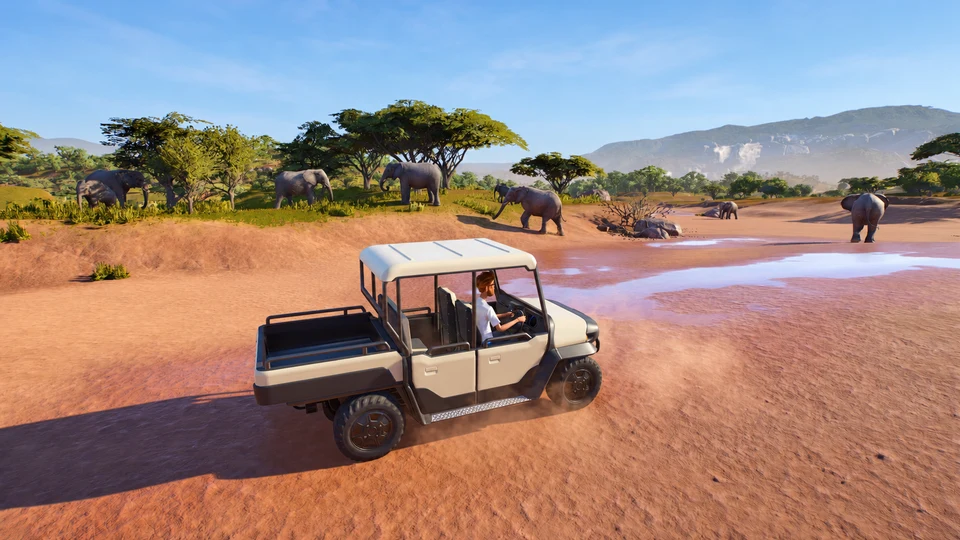
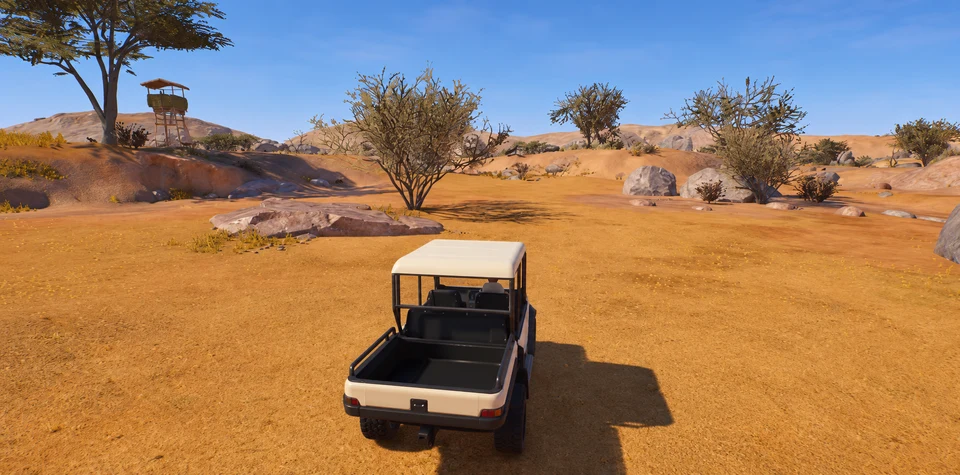
You can drive the Research Vehicle across the reserve or get out and walk. A compass leads you to animals close by, and a camera lets you photograph their behaviour; Frontier asks you to try not to disturb them while you do.
Which animals can be released
Not every species can go into a Wildlife Reserve: Frontier says only species that have a suitable reserve can be released, and it chose each reserve's landscape for a mix of the game's animals. As of October 19, 2026, 58 of the 136 species list a reserve in their official entry; the release groups and reserves for every animal page has the full list, and our Planet Zoo 2 Zoopedia guide links to the official encyclopedia. The Planet Zoo 2 animal list has every species with its biome and home continent.
Planet Zoo 2 Wildlife Reserve questions
How many Wildlife Reserves are there in Planet Zoo 2?
Six: the Great Rift Valley Reserve, Tanzania Reserve, Sumatra Reserve, Scottish Highlands, Sweden Reserve and Poland Reserve. Together they take 58 of the 136 animals.
What are Wildlife Reserves in Planet Zoo 2?
Wildlife Reserves are a new part of Planet Zoo 2: large natural areas around the world where you restore Ecosystems, release animals raised in your zoos and run research with very few staff. They are part of every game mode, from Career to Sandbox and Franchise.
How do you release animals in Planet Zoo 2?
Research the species, move the animals into Animal Storage and create a release group under Animal Trading & Storage. Add animals that meet its requirements, such as longevity, fertility and genetic diversity, and finalise it; this cannot be undone. Then choose Quick Release for Conservation Credits straight away, or travel to a Wildlife Reserve with a Research Outpost and release the group into an Established Ecosystem.
Why can't I release my animals into a Wildlife Reserve?
Check three things. Only animals in Animal Storage can join a release group, so move them there first. The group must meet its requirements, such as longevity, fertility and genetic diversity. And the reserve needs an Established Ecosystem that takes the species. Each animal's groups and their needs are on the release groups page.
What does Quick Release do in Planet Zoo 2?
Quick Release sends healthy adults from Animal Storage out of your zoo for Conservation Credits at once, in any game mode, without placing them in a reserve.
Which animals can you release in the Sweden Reserve?
Twelve: the Brown Trout, Common Rudd, Eurasian Beaver, Eurasian Brown Bear, Eurasian Lynx, Golden Eagle, Grey Wolf, Long-Eared Owl, Mountain Hare, Red Deer, White-Tailed Sea-Eagle and Wild Boar. The Golden Eagle comes with the Deluxe Edition. The Eurasian Brown Bear goes to no other reserve. The table on this page lists the animals of all six reserves.
How do you make a Red Deer release group in Planet Zoo 2?
Move the deer into Animal Storage and create a release group for them. Red Deer can form a Mixed Group or Female Bachelor Herd, and go to the Scottish Highlands, Sweden and Poland reserves. Finalise the group, then release it there or choose Quick Release for Conservation Credits straight away.
What is Invasive Flora in Planet Zoo 2?
Invasive Flora is the count of plants in a Wildlife Reserve that are not native to its location and harm the local environment. Remove all of them with the Demolish Brush, together with any pollution: both lower the reserve's Ecosystem Rating and so its Biodiversity Rating.
How do you raise a Wildlife Reserve's Biodiversity Rating?
It has two parts. The Ecosystem Rating rises with Established and Flourishing Ecosystems, no pollution, no Invasive Flora and more species released. The Research Rating rises with a network of Observation Platforms, Acoustic Monitors and Camera Traps around the Research Outpost.
Can every animal be released into a Wildlife Reserve?
No. Frontier says only species that have a suitable Wildlife Reserve can be released, and that it picked each reserve's landscape to suit a mix of the animals in the game.
What do Wildlife Reserves give you?
Conservation Credits and higher levels of species research, which in turn improve your zoos. A Research Network of an outpost and equipment such as Observation Platforms, Acoustic Monitors and Camera Traps also raises the reserve's Biodiversity Rating.
Can you drive around a Wildlife Reserve?
Yes. Every Research Outpost comes with a Research Vehicle you can drive across the reserve, and you can get out and explore on foot, with a compass that leads you to animals close by and a camera for photos.
Sources
- Wildlife Reserves player guide (official)
- Creature Feature: Wildlife Reserves (official news, 3 September 2026)
- Creature Feature: Managing a Zoo (official news, 17 September 2026)
- Planet Zoo 2 Features: Wildlife Reserves (official)
- Planet Zoo 2 Help and FAQ: which species can be released (official)
- Planet Zoo 2 Zoopedia: reserves listed in each animal entry (official, checked October 19, 2026)
Checked against the official pages on October 26, 2026.
Continue reading

Related pages
 Wildlife ReservesPlanet Zoo 2 Tanzania Reserve: All 28 AnimalsA checker for the 28 Tanzania animals that reads your Ecosystems and releases, every release panel line by line, the nine Ecosystems with no Riverine, and Bronze to Gold.
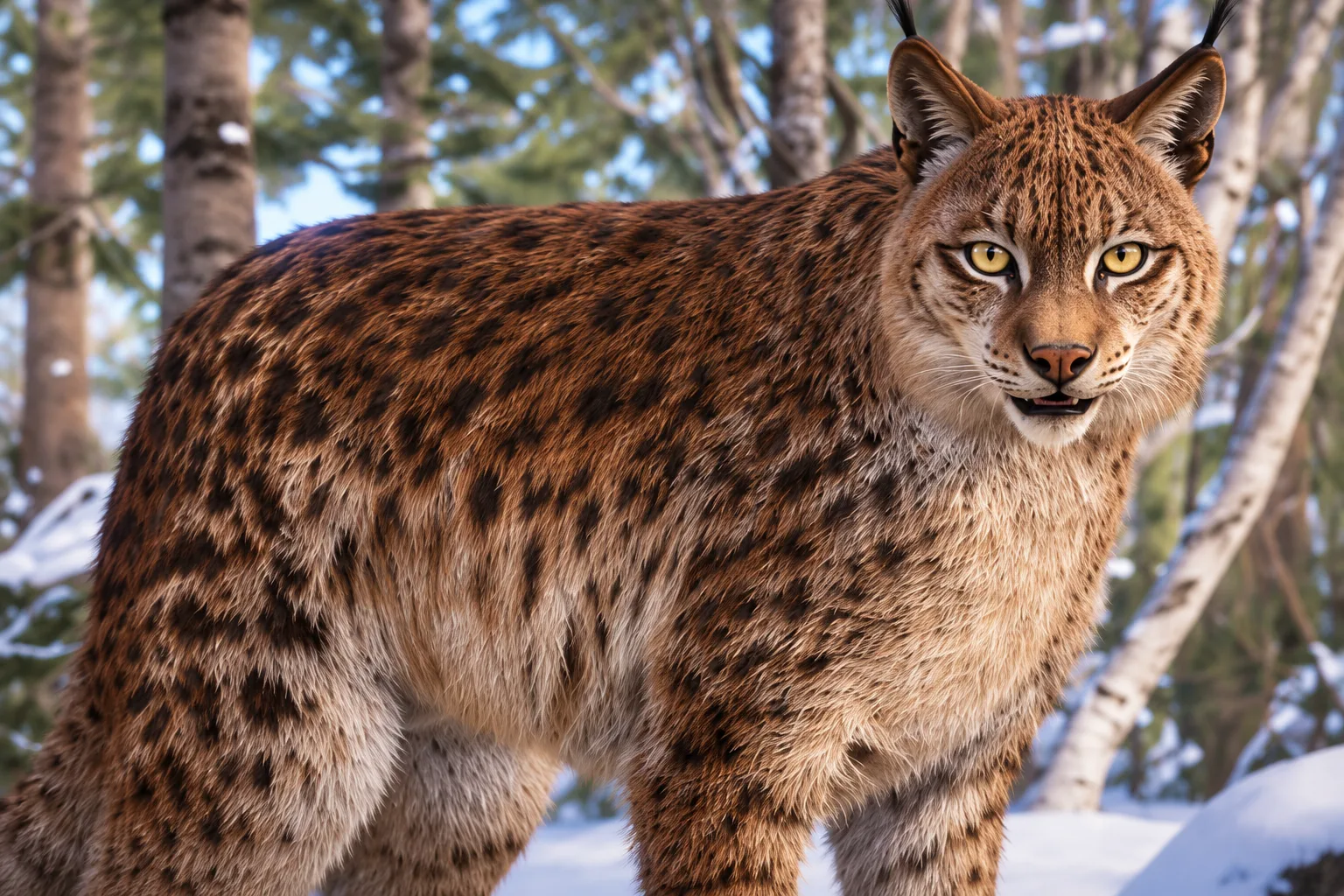 Wildlife ReservesPlanet Zoo 2 Sweden Reserve: All 12 AnimalsThe 12 animals Sweden takes, the four that make all six of its Ecosystems flourish, the terrain and plants each Ecosystem needs, and the Career objectives in order.
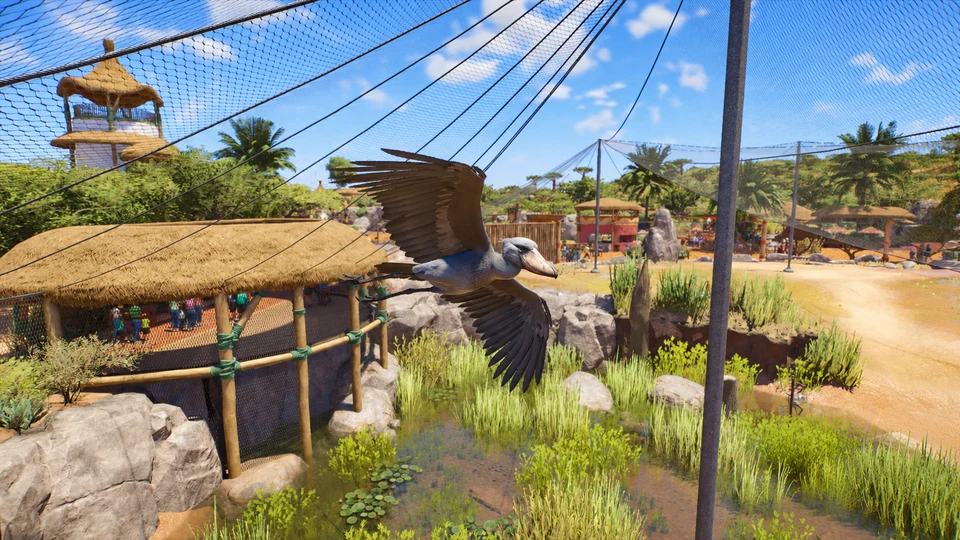 Ecosystem RolesPlanet Zoo 2 Ecosystem Roles by AnimalWhich animals fill each Ecosystem Role, from Low Browsers to Seed Dispersers, with a finder by role and reserve for Flourishing Ecosystems.