In-game needs
| Need | In the game |
|---|
| Temperature | 18°C to 33°C |
| Land area (1 adult) | 120m² |
| Deep water area (1 adult) | 30m² |
| Aquatic area (1 adult) | 40m² |
| Group size | 2 - 15 |
| Male-only group | 2 - 15 |
| Female-only group | 2 - 6 |
| Maximum males | 14 |
| Maximum females | 14 |
| Grass | 20% to 100% |
| Short grass | 15% to 100% |
| Sand | 0% to 60% |
| Soil | 0% to 50% |
| Rock | 0% to 20% |
| Waterlogged | 0% to 100% |
| Barrier strength | Grade 2 |
| Barrier height | 1.25m |
| Thriving relationships | No compatible species listed |
| Neutral relationships | North Sulawesi Babirusa, Wild Boar, Siamang, Great Hornbill, Javan Green Magpie, Sumatran Orangutan, Long-Tailed Parakeet, Malayan Tapir |
| Valid reserves | Sumatra Reserve |
| Valid release group types | Mixed Group, Breeding Partners |
| Shelter area (1 adult) | 5m² |
| Climb-proof barrier | Not required |
| Water as the barrier | Not allowed |
Building the Asian Small-Clawed Otter habitat
| Plant coverage | 20% to 90% |
| Dislikes | Snow |
| Barrier types strong enough (Grade 2 or higher) | 1-Way Glass, Chain Link, Corrugated, Rope Netting, Glass, Wire Netting, Wood Logs, Acrylic, Steel Mesh, Thick Glass, Brick, Concrete, Gabion, Electric |
Asian Small-Clawed Otter habitat size by number of adults
| Adults | Land area | Shelter area | Deep water area | Aquatic area |
|---|
| 2 | 150 m² | 10 m² | 38 m² | 52 m² |
| 3 | 180 m² | 15 m² | 46 m² | 64 m² |
| 4 | 210 m² | 20 m² | 54 m² | 76 m² |
| 5 | 240 m² | 25 m² | 62 m² | 88 m² |
| 6 | 270 m² | 30 m² | 70 m² | 100 m² |
| 7 | 300 m² | 35 m² | 78 m² | 112 m² |
| 8 | 330 m² | 40 m² | 86 m² | 124 m² |
| 9 | 360 m² | 45 m² | 94 m² | 136 m² |
| 15 | 540 m² | 75 m² | 142 m² | 208 m² |
A family led by one pair
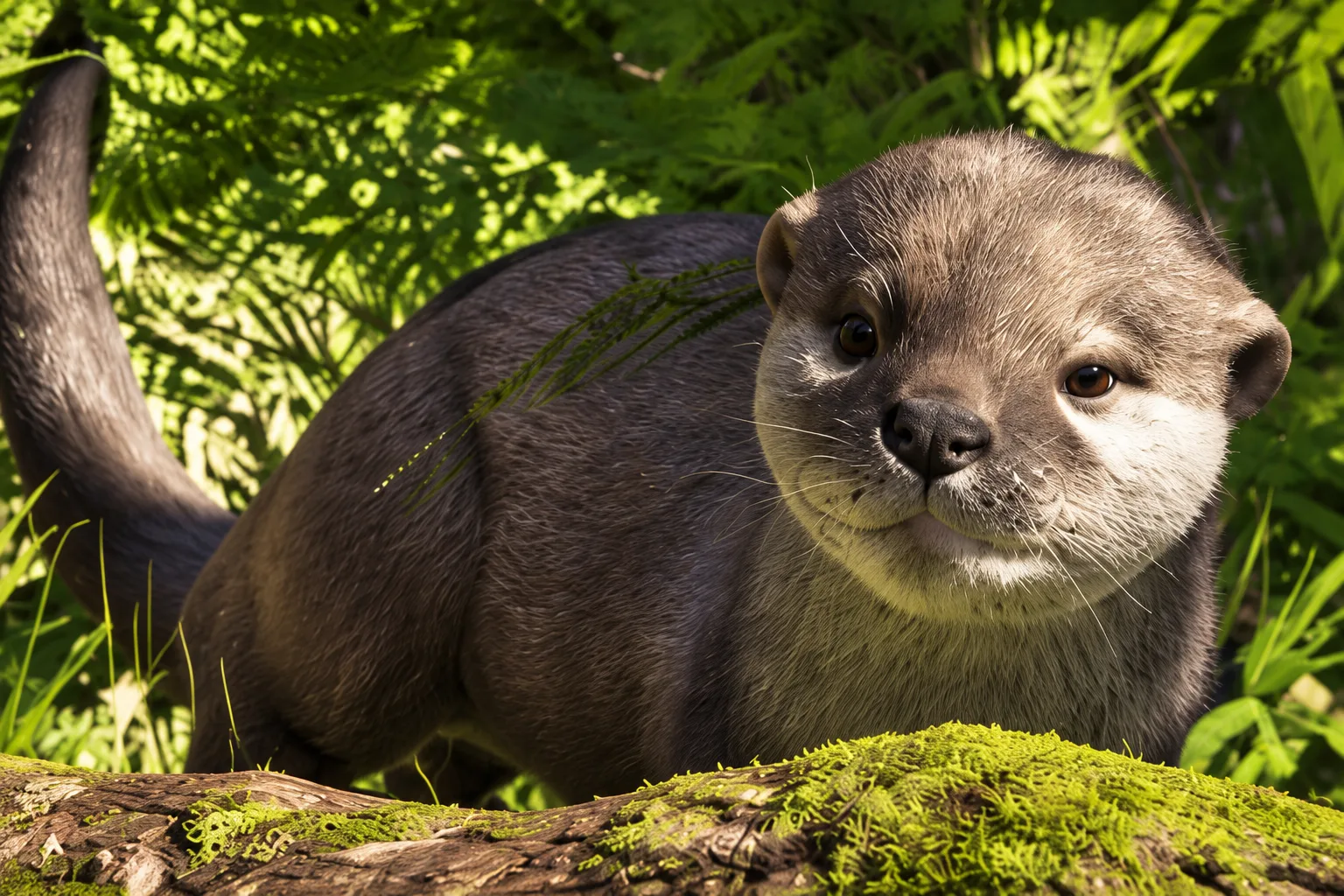
Groups run from 2 to 15 otters, and all-male groups can be just as big, but an all-female group stops at 6. The Zoopedia describes families led by a dominant mated pair, and in the game young otters stay with their family (no offspring disperse), so the group grows from within.
Each extra otter adds 30 m² of land, 12 m² of aquatic area, 8 m² of deep water and 5 m² of shelter: a family of 8 needs 330 m², 124 m², 86 m² and 40 m².
Wet ground and eight Sumatran neighbours
Otters are listed for five biomes: Estuarine, Lakes and Rivers, Mangrove, Tropical and Wetlands. Grass can cover 20% to 100% of the ground and short grass 15% to 100%; waterlogged ground is allowed up to all of it, with sand up to 60%, soil up to 50% and rock up to 20%. The barrier need not be climb-proof.
The otter has eight neutral companions on its official list: the Sumatran orangutan, Malayan tapir, siamang, great hornbill, Javan green magpie, long-tailed parakeet, North Sulawesi babirusa and wild boar. Its toys are made for water (Water Hoop, Submarine Buoy, Platform Floats, Sprinkler), with a Tennis Ball and Cardboard Box; the Block of Frozen Fish and Dog Ball are among its food enrichment, and food costs $385 per period.
Pups every ten months
Otters breed all year and are rated average to breed: 1 to 3 pups after 2.3 months, and a mother can conceive again 10 months later. Pups are adults at 2 and otters live up to 16. Because the pair and their young stay together, watch for inbreeding as the family grows; the breeding calculator shows how fast it will.
Otters can be released in the Sumatra Reserve as a mixed group or breeding partners, and they unlock at accreditation tier 2 in Career and Franchise.
Seen in the game
These do not change the official requirements above.
Is an otter habitat’s current temperature the one it needs?
No. A current habitat reading is not a species requirement.
An otter habitat panel can show, for example, a current temperature of 37–46°F in red, with Sand at 44% and Waterlogged at 43%. Those numbers describe that habitat at that moment; they are not the animal’s required temperature range or terrain minimums. Use the official requirements above to plan yours.
Animals from the same biome as the Asian Small-Clawed Otter
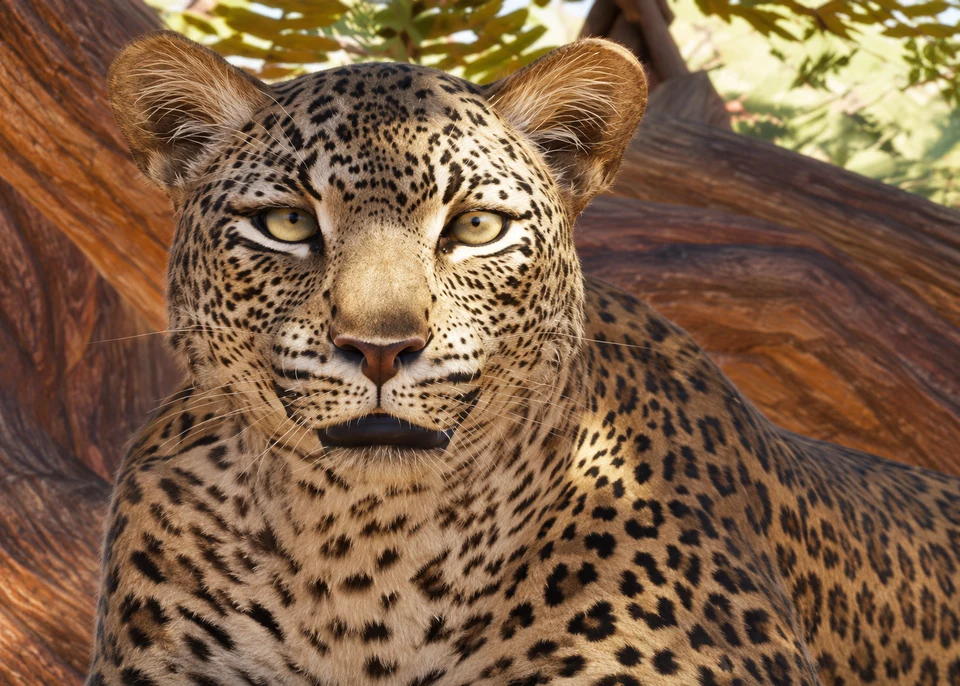
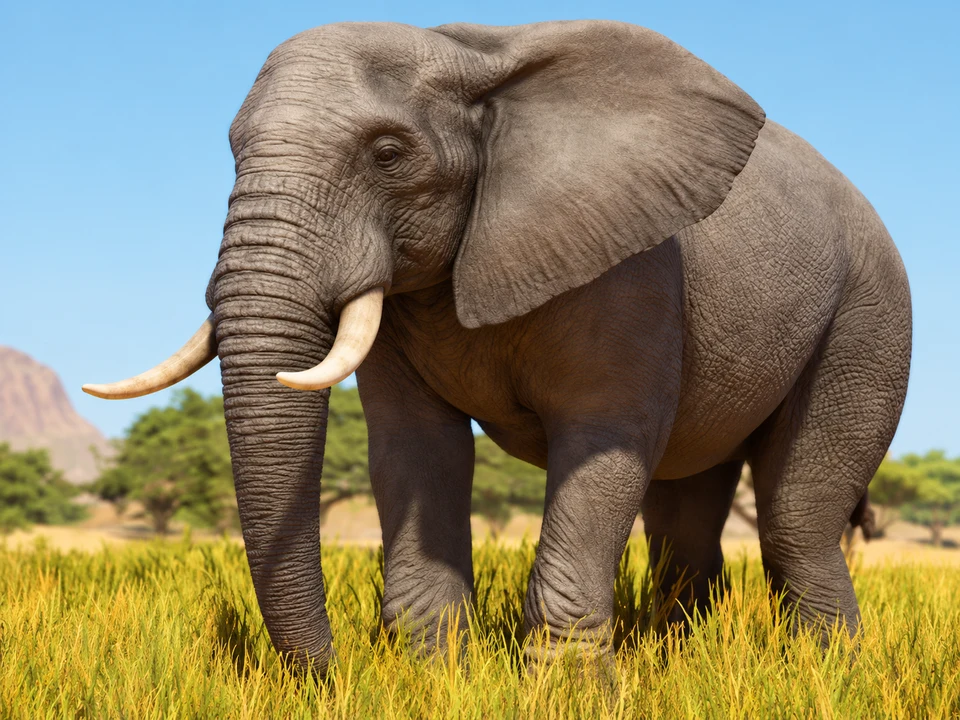
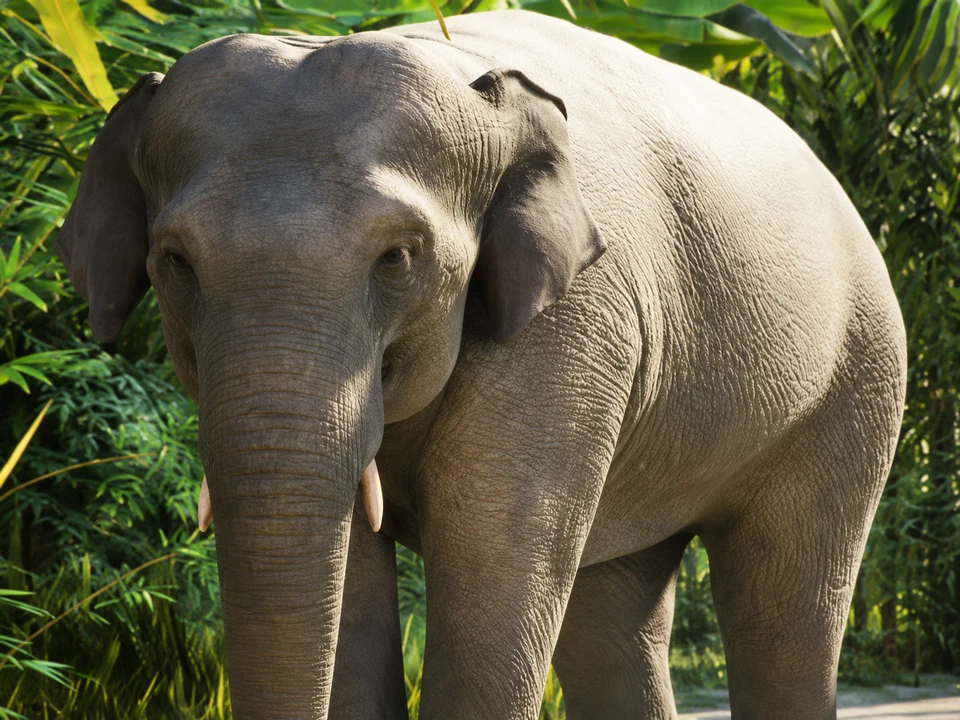
Other terrestrial animals the Zoopedia lists for at least one of the same biomes: Gharial, Komodo Dragon, Saltwater Crocodile, Asian Elephant, Common Hippopotamus, Malayan Tapir, Sumatran Tiger, Sun Bear, Western Lowland Gorilla, Wild Boar, African Leopard and African Savannah Elephant.