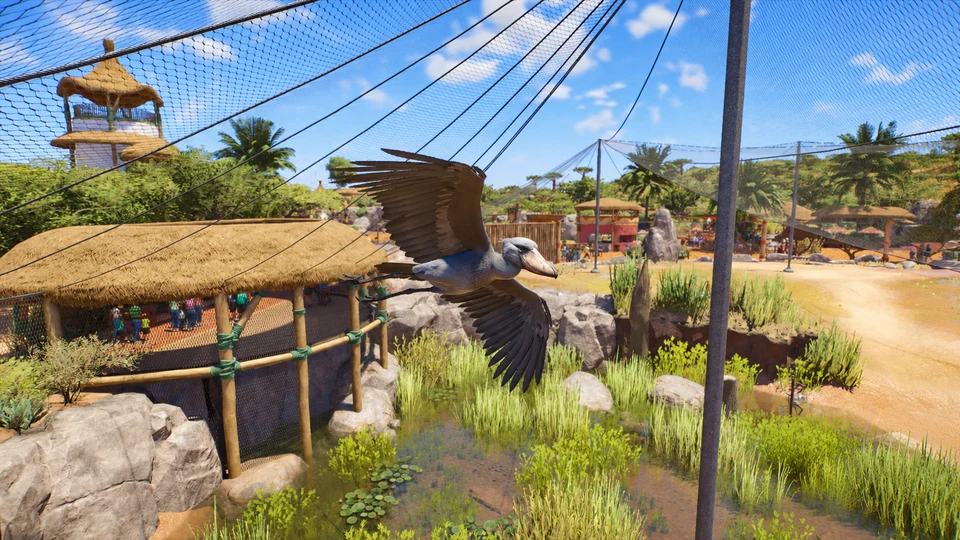
Wildlife Reserves
Planet Zoo 2 Ecosystem Roles by Animal
Ecosystem Roles are what a released animal does for the land in a Wildlife Reserve, from browsing and grazing to carrying seeds and hunting. The official Zoopedia tags 59 of the 136 species with at least one of 23 roles. An Ecosystem starts Flourishing once your animals fill every role it asks for.
Last updated Game version: Launch version (October 13, 2026)
Quick answer: how to make an Ecosystem Flourishing
- Meet its area, terrain and nature needs until it turns from Invalid to Established; clear the invasive flora first.
- Release animals that fill every Ecosystem Role it lists. All 32 Ecosystems with their roles and the animals that fill them.
Every Ecosystem Role and the animals that fill it
| Role | Animals that fill it | Ecosystems that need it |
|---|---|---|
| Plant eaters | ||
| Grazers (12) | Black Wildebeest, Blue Wildebeest, Common Hippopotamus, Common Ostrich, European Bison, Malayan Tapir, Mountain Hare, Nyala, Plains Zebra, Springbok, Thomson's Gazelle and Wild Boar | 6 of 32 |
| Low Browsers (5) | Black Rhinoceros, Cape Buffalo, North Sulawesi Babirusa, Red Deer and Sable Antelope | 13 of 32 |
| High Browsers (5) | African Savannah Elephant, Asian Elephant, Eurasian Brown Bear, Masai Giraffe and Reticulated Giraffe | 1 of 32 |
| Terrestrial Foragers (7) | Aardvark, African Savannah Elephant, Asian Elephant, Binturong, Eurasian Beaver, Siamang and Sumatran Orangutan | 7 of 32 |
| Soil Rooters (7) | Aardvark, Common Warthog, Meerkat, North Sulawesi Babirusa, Sun Bear, Sunda Pangolin and Wild Boar | 8 of 32 |
| Seed, pollen and spore carriers | ||
| Terrestrial Seed Dispersers (23) | African Savannah Elephant, Asian Elephant, Binturong, Black Rhinoceros, Black Wildebeest, Blue Wildebeest, Cape Buffalo, Common Ostrich, Eurasian Brown Bear, European Bison, Gemsbok, Malayan Tapir, Masai Giraffe, Mountain Hare, Nyala, Plains Zebra, Red Deer, Reticulated Giraffe, Sable Antelope, Siamang, Springbok, Sumatran Orangutan and Sun Bear | 9 of 32 |
| Aerial Seed Dispersers (3) | Great Hornbill, Greater Flamingo and Long-Tailed Parakeet | 2 of 32 |
| Terrestrial Pollinators (4) | Binturong, Eurasian Brown Bear, Red Deer and Sumatran Orangutan | 2 of 32 |
| Aerial Pollinators (1) | Long-Tailed Parakeet | None |
| Terrestrial Spore Dispersers (2) | Common Warthog and Wild Boar | 2 of 32 |
| Hunters and scavengers | ||
| Predators (17) | African Leopard, African Wild Dog, Asian Small-Clawed Otter, Eurasian Bittern, Eurasian Brown Bear, Eurasian Lynx, Golden Eagle, Grey Wolf, Lion, Long-Eared Owl, Nile Monitor, Saltwater Crocodile, Secretarybird, Shoebill, Spotted Hyena, Sumatran Tiger and White-Tailed Sea-Eagle | None |
| Scavengers (6) | Golden Eagle, Nile Monitor, Secretarybird, Spotted Hyena, White-Backed Vulture and White-Tailed Sea-Eagle | 2 of 32 |
| Aerial Foragers (6) | Eurasian Bittern, Golden Eagle, Great Hornbill, Long-Eared Owl, White-Backed Vulture and White-Tailed Sea-Eagle | 3 of 32 |
| Prey | ||
| Small Prey (9) | Aardvark, Binturong, Eurasian Beaver, Greater Flamingo, Long-Tailed Parakeet, Meerkat, Mountain Hare, Sun Bear and Sunda Pangolin | None |
| Medium Prey (14) | Black Wildebeest, Blue Wildebeest, Common Ostrich, Common Warthog, Gemsbok, Malayan Tapir, North Sulawesi Babirusa, Nyala, Plains Zebra, Red Deer, Sable Antelope, Springbok, Thomson's Gazelle and Wild Boar | None |
| Large Prey (2) | Cape Buffalo and European Bison | None |
| Water | ||
| Wetland Engineers (3) | Asian Small-Clawed Otter, Common Hippopotamus and Eurasian Beaver | 12 of 32 |
| Freshwater Fish (6) | African Tigerfish, Blunthead Cichlid, Brown Trout, Clown Loach, Common Rudd and Giant Gourami | None |
| Saltwater Fish (1) | Pacific Bluefin Tuna | None |
| Underwater Grazers (3) | Blunthead Cichlid, Common Rudd and Giant Gourami | 8 of 32 |
| Underwater Predators (3) | African Tigerfish, Brown Trout and Clown Loach | None |
| Small Underwater Prey (1) | Blunthead Cichlid | None |
| Medium Underwater Prey (1) | Giant Gourami | None |
Find animals by Ecosystem Role
Pick the Ecosystem you are building and the roles it needs are ticked for you, or tick roles yourself; then pick your reserve. Animals that fill the most of them come first, so one release group can cover two or three roles at once, and the finder names the fewest species that fill them all. Then make the group on the Planet Zoo 2 release groups page.
59 animals have an Ecosystem Role. Pick roles to narrow the list.
- AardvarkSmall Prey, Soil Rooters, Terrestrial ForagersReserves: Great Rift Valley, Tanzania
- African LeopardPredatorsReserves: Great Rift Valley, Tanzania
- African Savannah ElephantHigh Browsers, Terrestrial Foragers, Terrestrial Seed DispersersReserves: Great Rift Valley, Tanzania
- African TigerfishFreshwater Fish, Underwater PredatorsReserves: Great Rift Valley, Tanzania
- African Wild DogPredatorsReserves: Great Rift Valley, Tanzania
- Asian ElephantHigh Browsers, Terrestrial Foragers, Terrestrial Seed DispersersReserves: Sumatra
- Asian Small-Clawed OtterPredators, Wetland EngineersReserves: Sumatra
- BinturongSmall Prey, Terrestrial Foragers, Terrestrial Pollinators, Terrestrial Seed DispersersReserves: Sumatra
- Black RhinocerosLow Browsers, Terrestrial Seed DispersersReserves: Great Rift Valley, Tanzania
- Black WildebeestGrazers, Medium Prey, Terrestrial Seed DispersersReserves: Great Rift Valley, Tanzania
- Blue WildebeestGrazers, Medium Prey, Terrestrial Seed DispersersReserves: Great Rift Valley, Tanzania
- Blunthead CichlidFreshwater Fish, Underwater Grazers, Small Underwater PreyReserves: Great Rift Valley, Tanzania
- Brown TroutFreshwater Fish, Underwater PredatorsReserves: Scottish Highlands, Sweden, Poland
- Cape BuffaloLow Browsers, Large Prey, Terrestrial Seed DispersersReserves: Great Rift Valley, Tanzania
- Clown LoachFreshwater Fish, Underwater PredatorsReserves: Sumatra
- Common HippopotamusGrazers, Wetland EngineersReserves: Great Rift Valley, Tanzania
- Common OstrichGrazers, Medium Prey, Terrestrial Seed DispersersReserves: Tanzania
- Common RuddFreshwater Fish, Underwater GrazersReserves: Scottish Highlands, Sweden, Poland
- Common WarthogMedium Prey, Soil Rooters, Terrestrial Spore DispersersReserves: Great Rift Valley, Tanzania
- Eurasian BeaverSmall Prey, Terrestrial Foragers, Wetland EngineersReserves: Scottish Highlands, Sweden, Poland
- Eurasian BitternAerial Foragers, PredatorsReserves: Poland
- Eurasian Brown BearHigh Browsers, Predators, Terrestrial Pollinators, Terrestrial Seed DispersersReserves: Sweden
- Eurasian LynxPredatorsReserves: Scottish Highlands, Sweden
- European BisonGrazers, Large Prey, Terrestrial Seed DispersersReserves: Poland
- GemsbokMedium Prey, Terrestrial Seed DispersersReserves: Great Rift Valley, Tanzania
- Giant GouramiFreshwater Fish, Underwater Grazers, Medium Underwater PreyReserves: Sumatra
- Golden EagleAerial Foragers, Predators, ScavengersReserves: Scottish Highlands, Sweden, Poland
- Great HornbillAerial Foragers, Aerial Seed DispersersReserves: Sumatra
- Greater FlamingoAerial Seed Dispersers, Small PreyReserves: Great Rift Valley, Tanzania
- Grey WolfPredatorsReserves: Scottish Highlands, Sweden, Poland
- LionPredatorsReserves: Great Rift Valley, Tanzania
- Long-Eared OwlAerial Foragers, PredatorsReserves: Scottish Highlands, Sweden, Poland
- Long-Tailed ParakeetAerial Pollinators, Aerial Seed Dispersers, Small PreyReserves: Sumatra
- Malayan TapirGrazers, Medium Prey, Terrestrial Seed DispersersReserves: Sumatra
- Masai GiraffeHigh Browsers, Terrestrial Seed DispersersReserves: Great Rift Valley, Tanzania
- MeerkatSmall Prey, Soil RootersReserves: Great Rift Valley
- Mountain HareGrazers, Small Prey, Terrestrial Seed DispersersReserves: Scottish Highlands, Sweden
- Nile MonitorPredators, ScavengersReserves: Great Rift Valley, Tanzania
- North Sulawesi BabirusaLow Browsers, Medium Prey, Soil RootersReserves: Sumatra
- NyalaGrazers, Medium Prey, Terrestrial Seed DispersersReserves: Great Rift Valley, Tanzania
- Pacific Bluefin TunaSaltwater FishReserves: None listed
- Plains ZebraGrazers, Medium Prey, Terrestrial Seed DispersersReserves: Great Rift Valley, Tanzania
- Red DeerLow Browsers, Medium Prey, Terrestrial Pollinators, Terrestrial Seed DispersersReserves: Scottish Highlands, Sweden, Poland
- Reticulated GiraffeHigh Browsers, Terrestrial Seed DispersersReserves: Great Rift Valley, Tanzania
- Sable AntelopeLow Browsers, Medium Prey, Terrestrial Seed DispersersReserves: Great Rift Valley, Tanzania
- Saltwater CrocodilePredatorsReserves: Sumatra
- SecretarybirdPredators, ScavengersReserves: Great Rift Valley, Tanzania
- ShoebillPredatorsReserves: Great Rift Valley, Tanzania
- SiamangTerrestrial Foragers, Terrestrial Seed DispersersReserves: Sumatra
- Spotted HyenaPredators, ScavengersReserves: Great Rift Valley, Tanzania
- SpringbokGrazers, Medium Prey, Terrestrial Seed DispersersReserves: Great Rift Valley, Tanzania
- Sumatran OrangutanTerrestrial Foragers, Terrestrial Pollinators, Terrestrial Seed DispersersReserves: Sumatra
- Sumatran TigerPredatorsReserves: Sumatra
- Sun BearSmall Prey, Soil Rooters, Terrestrial Seed DispersersReserves: Sumatra
- Sunda PangolinSmall Prey, Soil RootersReserves: Sumatra
- Thomson's GazelleGrazers, Medium PreyReserves: Tanzania
- White-Backed VultureAerial Foragers, ScavengersReserves: Great Rift Valley, Tanzania
- White-Tailed Sea-EagleAerial Foragers, Predators, ScavengersReserves: Scottish Highlands, Sweden, Poland
- Wild BoarGrazers, Medium Prey, Soil Rooters, Terrestrial Spore DispersersReserves: Scottish Highlands, Sweden, Poland
Roles are the tags under Biomes on each animal's official Zoopedia page; reserves are the ones it lists under Conservation. Picking an Ecosystem ticks the roles it needs to flourish.
How Ecosystem Roles work
A reserve is split into Ecosystems that you paint with the Ecosystem Brush. Frontier's Wildlife Reserves guide sets two stages: an Ecosystem is Established when its area, terrain and nature needs are met (clear the invasive flora from the ground first), and it can only turn Flourishing after that, once released animals provide the Ecosystem Roles it requires. Each release group shows the roles it brings, so compare them with the Ecosystem before you release. The Planet Zoo 2 Wildlife Reserves guide explains how Flourishing Ecosystems lift the reserve's Biodiversity stars.
Which animal fills which role is on each species' own Zoopedia page, under its biomes. Which roles an Ecosystem needs is not: the game lists them for each Ecosystem in the reserve, and the table below has all 32. A Mixed Lowland Forest, for example, needs Low Browsers, Terrestrial Seed Dispersers and Terrestrial Spore Dispersers. Two species are enough for it: the Red Deer fills the first two and the Wild Boar or the Common Warthog the third.
Ecosystem Roles each Ecosystem needs
The 32 Ecosystems below are grouped by the biome of their reserve: Grassland, Tropical, Taiga and Temperate. Each needs from one to three roles; the Watering Hole, River, Rocky Peaks and Lake (Temperate) need only one. Low Browsers (13 Ecosystems) and Wetland Engineers (12) are asked for most often, so animals with those roles are the ones to breed first. The species that need each Ecosystem also tell you where it is: Grassland Ecosystems are in Great Rift Valley and Tanzania, Tropical ones are in Sumatra, Taiga ones are in Scottish Highlands and Sweden and Temperate ones are in Poland.
| Ecosystem | Biome | Roles it needs to flourish | Animals that fill them in its reserves |
|---|---|---|---|
| Dense Forest | Grassland | High Browsers, Terrestrial Seed Dispersers | High Browsers: African Savannah Elephant, Masai Giraffe, Reticulated Giraffe; Terrestrial Seed Dispersers: 13 species |
| Grassland | Grassland | Grazers, Soil Rooters | Grazers: 8 species; Soil Rooters: Aardvark, Common Warthog, Meerkat |
| Riverine | Grassland | Wetland Engineers, Underwater Grazers | Wetland Engineers: Common Hippopotamus; Underwater Grazers: Blunthead Cichlid |
| Rocky Hills | Grassland | Grazers, Low Browsers | Grazers: 8 species; Low Browsers: Black Rhinoceros, Cape Buffalo, Sable Antelope |
| Sandy Plain | Grassland | Scavengers, Low Browsers, Terrestrial Foragers | Scavengers: Nile Monitor, Secretarybird, Spotted Hyena, White-Backed Vulture; Low Browsers: Black Rhinoceros, Cape Buffalo, Sable Antelope; Terrestrial Foragers: Aardvark, African Savannah Elephant |
| Savannah | Grassland | Scavengers, Low Browsers, Terrestrial Seed Dispersers | Scavengers: Nile Monitor, Secretarybird, Spotted Hyena, White-Backed Vulture; Low Browsers: Black Rhinoceros, Cape Buffalo, Sable Antelope; Terrestrial Seed Dispersers: 13 species |
| Shrubland | Grassland | Low Browsers, Soil Rooters, Terrestrial Foragers | Low Browsers: Black Rhinoceros, Cape Buffalo, Sable Antelope; Soil Rooters: Aardvark, Common Warthog, Meerkat; Terrestrial Foragers: Aardvark, African Savannah Elephant |
| Swamp | Grassland | Aerial Seed Dispersers, Wetland Engineers, Underwater Grazers | Aerial Seed Dispersers: Greater Flamingo; Wetland Engineers: Common Hippopotamus; Underwater Grazers: Blunthead Cichlid |
| Watering Hole | Grassland | Wetland Engineers | Wetland Engineers: Common Hippopotamus |
| Wetland | Grassland | Wetland Engineers, Underwater Grazers | Wetland Engineers: Common Hippopotamus; Underwater Grazers: Blunthead Cichlid |
| Forest Swamp | Tropical | Low Browsers, Wetland Engineers, Underwater Grazers | Low Browsers: North Sulawesi Babirusa; Wetland Engineers: Asian Small-Clawed Otter; Underwater Grazers: Giant Gourami |
| Grassland (Tropical) | Tropical | Grazers, Soil Rooters, Terrestrial Foragers | Grazers: Malayan Tapir; Soil Rooters: North Sulawesi Babirusa, Sun Bear, Sunda Pangolin; Terrestrial Foragers: Asian Elephant, Binturong, Siamang, Sumatran Orangutan |
| Limestone Hills | Tropical | Low Browsers, Aerial Foragers | Low Browsers: North Sulawesi Babirusa; Aerial Foragers: Great Hornbill |
| Lowland Rainforest | Tropical | Low Browsers, Terrestrial Seed Dispersers, Terrestrial Pollinators | Low Browsers: North Sulawesi Babirusa; Terrestrial Seed Dispersers: 6 species; Terrestrial Pollinators: Binturong, Sumatran Orangutan |
| Montane Rainforest | Tropical | Aerial Seed Dispersers, Soil Rooters, Aerial Foragers | Aerial Seed Dispersers: Great Hornbill, Long-Tailed Parakeet; Soil Rooters: North Sulawesi Babirusa, Sun Bear, Sunda Pangolin; Aerial Foragers: Great Hornbill |
| Peatland | Tropical | Low Browsers, Wetland Engineers, Terrestrial Foragers | Low Browsers: North Sulawesi Babirusa; Wetland Engineers: Asian Small-Clawed Otter; Terrestrial Foragers: Asian Elephant, Binturong, Siamang, Sumatran Orangutan |
| River | Tropical | Underwater Grazers | Underwater Grazers: Giant Gourami |
| Flooded Grassland | Taiga | Grazers, Wetland Engineers, Soil Rooters | Grazers: Mountain Hare, Wild Boar; Wetland Engineers: Eurasian Beaver; Soil Rooters: Wild Boar |
| Lake (Loch) | Taiga | Wetland Engineers, Underwater Grazers | Wetland Engineers: Eurasian Beaver; Underwater Grazers: Common Rudd |
| Lake (Taiga) | Taiga | Wetland Engineers, Underwater Grazers | Wetland Engineers: Eurasian Beaver; Underwater Grazers: Common Rudd |
| Mixed Lowland Forest | Taiga | Low Browsers, Terrestrial Seed Dispersers, Terrestrial Spore Dispersers | Low Browsers: Red Deer; Terrestrial Seed Dispersers: Eurasian Brown Bear, Mountain Hare, Red Deer; Terrestrial Spore Dispersers: Wild Boar |
| Montane Forest | Taiga | Terrestrial Seed Dispersers, Soil Rooters | Terrestrial Seed Dispersers: Eurasian Brown Bear, Mountain Hare, Red Deer; Soil Rooters: Wild Boar |
| Montane Forest (Boreal) | Taiga | Low Browsers, Terrestrial Seed Dispersers | Low Browsers: Red Deer; Terrestrial Seed Dispersers: Eurasian Brown Bear, Mountain Hare, Red Deer |
| Moorland | Taiga | Grazers, Terrestrial Seed Dispersers, Terrestrial Foragers | Grazers: Mountain Hare, Wild Boar; Terrestrial Seed Dispersers: Eurasian Brown Bear, Mountain Hare, Red Deer; Terrestrial Foragers: Eurasian Beaver |
| Rocky Peaks | Taiga | Low Browsers | Low Browsers: Red Deer |
| Saltmarsh | Taiga | Soil Rooters, Wetland Engineers, Terrestrial Foragers | Soil Rooters: Wild Boar; Wetland Engineers: Eurasian Beaver; Terrestrial Foragers: Eurasian Beaver |
| Closed Canopy Forest | Temperate | Low Browsers, Terrestrial Seed Dispersers, Aerial Foragers | Low Browsers: Red Deer; Terrestrial Seed Dispersers: European Bison, Red Deer; Aerial Foragers: Eurasian Bittern, Golden Eagle, Long-Eared Owl, White-Tailed Sea-Eagle |
| Fen Wetland | Temperate | Soil Rooters, Wetland Engineers | Soil Rooters: Wild Boar; Wetland Engineers: Eurasian Beaver |
| Lake (Temperate) | Temperate | Underwater Grazers | Underwater Grazers: Common Rudd |
| Lowland Marsh | Temperate | Wetland Engineers, Terrestrial Foragers | Wetland Engineers: Eurasian Beaver; Terrestrial Foragers: Eurasian Beaver |
| Open Canopy Forest | Temperate | Low Browsers, Terrestrial Seed Dispersers, Terrestrial Spore Dispersers | Low Browsers: Red Deer; Terrestrial Seed Dispersers: European Bison, Red Deer; Terrestrial Spore Dispersers: Wild Boar |
| Pastures | Temperate | Grazers, Terrestrial Pollinators | Grazers: European Bison, Wild Boar; Terrestrial Pollinators: Red Deer |
The terrain, plants and water come first: an Ecosystem only counts its roles once it is Established. Pick the Ecosystem in the finder above to see which animals fill its roles in your reserve.
Every Ecosystem Role and its animals
The roles below are grouped by what they have in common; the game itself lists them one by one. Names link to the animal guides we have published.
Plant eaters
- Grazers (12): Black Wildebeest, Blue Wildebeest, Common Hippopotamus, Common Ostrich, European Bison, Malayan Tapir, Mountain Hare, Nyala, Plains Zebra, Springbok, Thomson's Gazelle and Wild Boar.
- Low Browsers (5): Black Rhinoceros, Cape Buffalo, North Sulawesi Babirusa, Red Deer and Sable Antelope. Which reserve takes which, and which one you can buy first, is on our Planet Zoo 2 Low Browsers page.
- High Browsers (5): African Savannah Elephant, Asian Elephant, Eurasian Brown Bear, Masai Giraffe and Reticulated Giraffe.
- Terrestrial Foragers (7): Aardvark, African Savannah Elephant, Asian Elephant, Binturong, Eurasian Beaver, Siamang and Sumatran Orangutan.
- Soil Rooters (7): Aardvark, Common Warthog, Meerkat, North Sulawesi Babirusa, Sun Bear, Sunda Pangolin and Wild Boar.
Seed, pollen and spore carriers
- Terrestrial Seed Dispersers (23): African Savannah Elephant, Asian Elephant, Binturong, Black Rhinoceros, Black Wildebeest, Blue Wildebeest, Cape Buffalo, Common Ostrich, Eurasian Brown Bear, European Bison, Gemsbok, Malayan Tapir, Masai Giraffe, Mountain Hare, Nyala, Plains Zebra, Red Deer, Reticulated Giraffe, Sable Antelope, Siamang, Springbok, Sumatran Orangutan and Sun Bear.
- Aerial Seed Dispersers (3): Great Hornbill, Greater Flamingo and Long-Tailed Parakeet.
- Terrestrial Pollinators (4): Binturong, Eurasian Brown Bear, Red Deer and Sumatran Orangutan.
- Aerial Pollinators (1): Long-Tailed Parakeet.
- Terrestrial Spore Dispersers (2): Common Warthog and Wild Boar.
Hunters and scavengers
- Predators (17): African Leopard, African Wild Dog, Asian Small-Clawed Otter, Eurasian Bittern, Eurasian Brown Bear, Eurasian Lynx, Golden Eagle, Grey Wolf, Lion, Long-Eared Owl, Nile Monitor, Saltwater Crocodile, Secretarybird, Shoebill, Spotted Hyena, Sumatran Tiger and White-Tailed Sea-Eagle.
- Scavengers (6): Golden Eagle, Nile Monitor, Secretarybird, Spotted Hyena, White-Backed Vulture and White-Tailed Sea-Eagle.
- Aerial Foragers (6): Eurasian Bittern, Golden Eagle, Great Hornbill, Long-Eared Owl, White-Backed Vulture and White-Tailed Sea-Eagle.
Prey
- Small Prey (9): Aardvark, Binturong, Eurasian Beaver, Greater Flamingo, Long-Tailed Parakeet, Meerkat, Mountain Hare, Sun Bear and Sunda Pangolin.
- Medium Prey (14): Black Wildebeest, Blue Wildebeest, Common Ostrich, Common Warthog, Gemsbok, Malayan Tapir, North Sulawesi Babirusa, Nyala, Plains Zebra, Red Deer, Sable Antelope, Springbok, Thomson's Gazelle and Wild Boar.
- Large Prey (2): Cape Buffalo and European Bison.
Water
- Wetland Engineers (3): Asian Small-Clawed Otter, Common Hippopotamus and Eurasian Beaver. Which one each reserve needs is on our Planet Zoo 2 Wetland Engineers page.
- Freshwater Fish (6): African Tigerfish, Blunthead Cichlid, Brown Trout, Clown Loach, Common Rudd and Giant Gourami.
- Saltwater Fish (1): Pacific Bluefin Tuna.
- Underwater Grazers (3): Blunthead Cichlid, Common Rudd and Giant Gourami.
- Underwater Predators (3): African Tigerfish, Brown Trout and Clown Loach.
- Small Underwater Prey (1): Blunthead Cichlid.
- Medium Underwater Prey (1): Giant Gourami.
Animals that fill the most roles
A species with several roles helps more than one Ecosystem need at a time. The Binturong, Eurasian Brown Bear, Red Deer and Wild Boar carry four roles each. At the other end, 9 species have a single role, among them the African Leopard, African Wild Dog, Eurasian Lynx and Grey Wolf. Seed carrying is the most shared job: 26 species disperse seeds on the ground or from the air.
Ecosystem Roles in each Wildlife Reserve
How many animals that a reserve accepts fill each role, from the reserves each species lists in its Zoopedia entry. A zero means you cannot cover that role there with any released species.
| Ecosystem Role | Great Rift Valley | Tanzania | Sumatra | Scottish Highlands | Sweden | Poland |
|---|---|---|---|---|---|---|
| Grazers | 6 | 8 | 1 | 2 | 2 | 2 |
| Low Browsers | 3 | 3 | 1 | 1 | 1 | 1 |
| High Browsers | 3 | 3 | 1 | 0 | 1 | 0 |
| Terrestrial Foragers | 2 | 2 | 4 | 1 | 1 | 1 |
| Soil Rooters | 3 | 2 | 3 | 1 | 1 | 1 |
| Terrestrial Seed Dispersers | 12 | 13 | 6 | 2 | 3 | 2 |
| Aerial Seed Dispersers | 1 | 1 | 2 | 0 | 0 | 0 |
| Terrestrial Pollinators | 0 | 0 | 2 | 1 | 2 | 1 |
| Aerial Pollinators | 0 | 0 | 1 | 0 | 0 | 0 |
| Terrestrial Spore Dispersers | 1 | 1 | 0 | 1 | 1 | 1 |
| Predators | 7 | 7 | 3 | 5 | 6 | 5 |
| Scavengers | 4 | 4 | 0 | 2 | 2 | 2 |
| Aerial Foragers | 1 | 1 | 1 | 3 | 3 | 4 |
| Small Prey | 3 | 2 | 4 | 2 | 2 | 1 |
| Medium Prey | 8 | 10 | 2 | 2 | 2 | 2 |
| Large Prey | 1 | 1 | 0 | 0 | 0 | 1 |
| Wetland Engineers | 1 | 1 | 1 | 1 | 1 | 1 |
| Freshwater Fish | 2 | 2 | 2 | 2 | 2 | 2 |
| Saltwater Fish | 0 | 0 | 0 | 0 | 0 | 0 |
| Underwater Grazers | 1 | 1 | 1 | 1 | 1 | 1 |
| Underwater Predators | 1 | 1 | 1 | 1 | 1 | 1 |
| Small Underwater Prey | 1 | 1 | 0 | 0 | 0 | 0 |
| Medium Underwater Prey | 0 | 0 | 1 | 0 | 0 | 0 |
One species has a role but no reserve listed: the Pacific Bluefin Tuna. Every other species with a role can go to at least one reserve, and the 77 species without a role, from most aquarium fish to the exhibit animals, cannot be released. The full reserve list for each animal is on the release group finder, and the Planet Zoo 2 breeding calculator shows how fast you can raise enough young to fill a group.
Planet Zoo 2 Ecosystem Role questions
What are Ecosystem Roles in Planet Zoo 2?
They are the jobs a released animal does in a Wildlife Reserve, such as Low Browsers, Grazers, Soil Rooters or Predators. Each Ecosystem asks for certain roles, and once animals you release fill all of them, an Established Ecosystem starts Flourishing. The official Zoopedia shows 23 roles across 59 species as of November 1, 2026.
Which animals are low browsers in Planet Zoo 2?
Five: the Black Rhinoceros, Cape Buffalo, North Sulawesi Babirusa, Red Deer and Sable Antelope. Their official Zoopedia pages carry the Low Browsers tag. 13 of the 32 Ecosystems need Low Browsers to flourish: Rocky Hills, Sandy Plain, Savannah, Shrubland, Forest Swamp, Limestone Hills, Lowland Rainforest, Peatland, Mixed Lowland Forest, Montane Forest (Boreal), Rocky Peaks, Closed Canopy Forest and Open Canopy Forest.
Which animals are Underwater Grazers in Planet Zoo 2?
Three fish: the Blunthead Cichlid, Common Rudd and Giant Gourami. Eight of the 32 Ecosystems need them: Riverine, Swamp, Wetland, Forest Swamp, River, Lake (Loch), Lake (Taiga) and Lake (Temperate).
Which animals are high browsers in Planet Zoo 2?
Five: the African Savannah Elephant, Asian Elephant, Eurasian Brown Bear, Masai Giraffe and Reticulated Giraffe. Only one Ecosystem needs them, the Dense Forest.
Which animals are seed dispersers in Planet Zoo 2?
23 species are Terrestrial Seed Dispersers, the most common role in the game, and three birds are Aerial Seed Dispersers: the Great Hornbill, Greater Flamingo and Long-Tailed Parakeet.
Which animal fills the most Ecosystem Roles?
The Binturong, Eurasian Brown Bear, Red Deer and Wild Boar fill four roles each. The Red Deer, for example, is a Low Browser, Medium Prey, a Terrestrial Pollinator and a Terrestrial Seed Disperser.
What roles does a Mixed Lowland Forest need in Planet Zoo 2?
Three: Low Browsers, Terrestrial Seed Dispersers and Terrestrial Spore Dispersers. The Red Deer fills the first two and the Wild Boar or the Common Warthog the third, so two species are enough.
How do you make an Ecosystem Flourishing in Planet Zoo 2?
First make it Established: meet its area, terrain and nature needs and clear the invasive flora. Then release animals that between them fill every Ecosystem Role it needs; the table on this page lists the roles of all 32 Ecosystems and which animals fill them in each reserve.
Sources
- Planet Zoo 2 Zoopedia: the Ecosystem Roles on each animal page (official)
- Planet Zoo 2 player guide: Wildlife Reserves, on Established and Flourishing Ecosystems (official)
Checked against the official pages on November 1, 2026. Official information can change. Each page shows its check date; game data appears here only once a source supports it.
Continue reading
 Next stepPicked the animals for your Ecosystem? See the release groups each one can go in.Planet Zoo 2 Release Groups by AnimalWhich Wildlife Reserves each animal can go to and the release group types it lists, with a finder by reserve, group type and name.Go there
Related pages
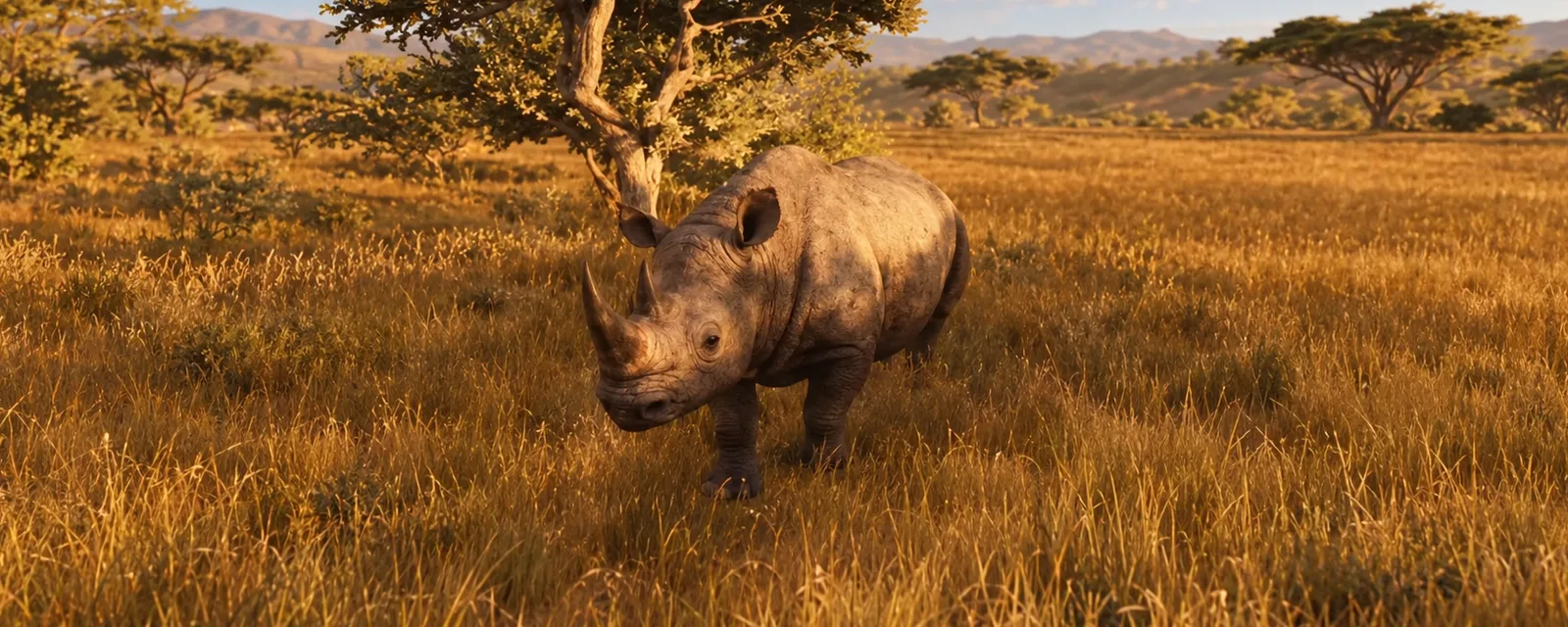 Ecosystem RolesPlanet Zoo 2 Low Browsers: All 5 AnimalsThe five Low Browsers, the role more Ecosystems ask for than any other: which Wildlife Reserve takes which, when each unlocks, and the two that can share a habitat.
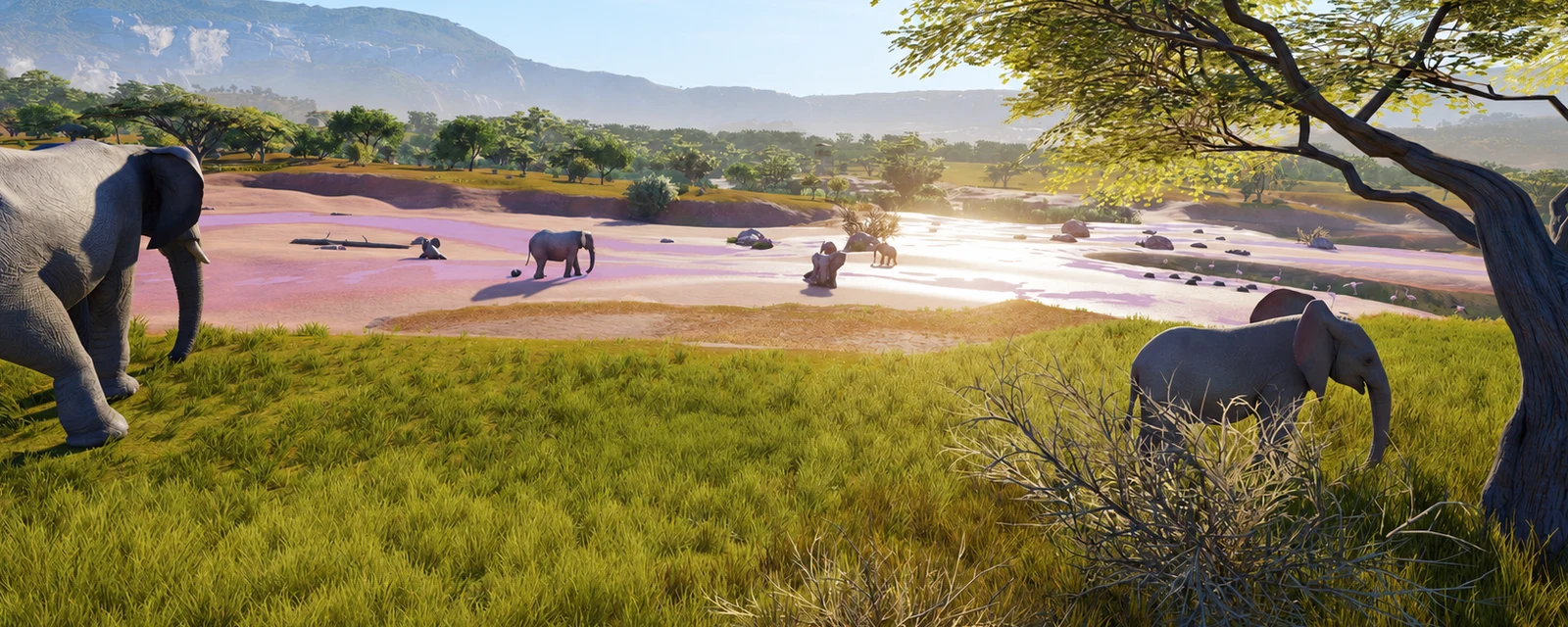 ReservesPlanet Zoo 2 Wildlife Reserves: Release GuideHow releasing animals into Wildlife Reserves works: release groups and their requirements, restoring Ecosystems and building a Research Network.
 Breeding calculatorPlanet Zoo 2 Breeding CalculatorHow many births and young any number of mothers can have over the years, the real meaning of the interbirth period, and the fastest and slowest breeders.