Mammal · Terrestrial
Planet Zoo 2 Plains Zebra: Habitat Size, Temperature & Needs
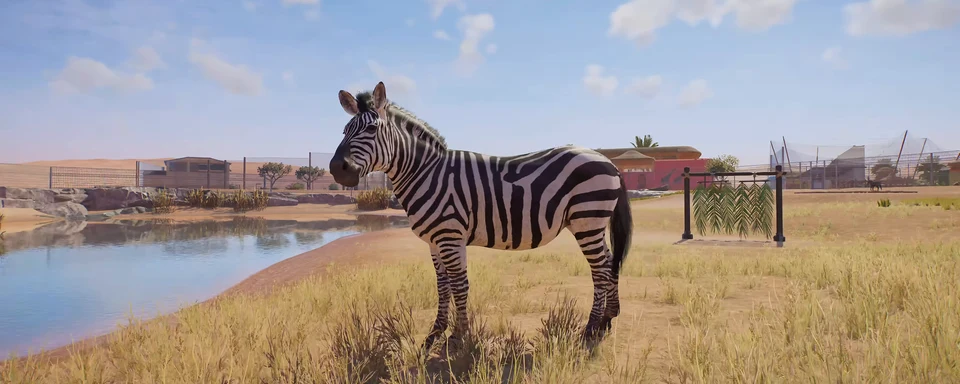
Plains zebras are a base-game grassland herd in Planet Zoo 2, open from accreditation tier 1 in Career and Franchise. The first zebra needs 460 m² of land and 10 m² of shelter, every extra one 140 m² and 10 m² more, inside a Grade 2 barrier 1.25 m high. Thirteen species are on its thriving list; no animal in the game has a longer one.
Last updated Game version: Official online Zoopedia checked 2026-10-15
Quick answer: 3 adults, the smallest group
- Land area
- 740 m²
- Shelter area
- 30 m²
- Temperature
- 14°C to 36°C
- Barrier
- Grade 2, 1.25m
- Group size
- 3 - 6, up to 1 male
- Each extra adult
- +140 m² land, +10 m² shelter
- Lives with
- Thriving: Nyala, Sable Antelope, Springbok, Cape Buffalo, Thomson's Gazelle, Masai Giraffe, Reticulated Giraffe, Gemsbok, Common Ostrich, White-Backed Vulture, Common Warthog, Black Wildebeest and Blue Wildebeest
Plan for your Plains Zebra
Adults of each animal:
- Plains Zebra
Shared biomes and regions
Biomes: Grassland.
Regions: Africa.
Area for your adult counts
Plains Zebra · 3 adults
Within the published mixed-group range (3–6).
Sex limits: Male-only group 3 - 6 · Female-only group 3 - 6 · Maximum males 1 · Maximum females 5.
- Land area
- 740 m²
- Shelter area
- 30 m²
Each extra adult adds: Land area 140 m², Shelter area 10 m².
Temperature, terrain and barrier
Shared temperature: 14°C to 36°C
Terrain every selected animal accepts: Sand 0% to 20%, Rock 0% to 20%, Grass 40% to 80%, Waterlogged 0% to 10%, Soil 10% to 60%. One mix that adds up to 100% and fits every selected animal: Soil 60%, Grass 40%.
Strongest barrier: Grade 2.
Tallest barrier: 1.25 m.
Climb-proof barrier: Not needed by any selected animal.
Water as the barrier: Not allowed. Plains Zebra does not accept a water barrier.
In-game needs
| Need | In the game |
|---|---|
| Temperature | 14°C to 36°C |
| Land area (1 adult) | 460m² |
| Group size | 3 - 6 |
| Male-only group | 3 - 6 |
| Female-only group | 3 - 6 |
| Maximum males | 1 |
| Maximum females | 5 |
| Sand | 0% to 20% |
| Rock | 0% to 20% |
| Grass | 40% to 80% |
| Waterlogged | 0% to 10% |
| Soil | 10% to 60% |
| Barrier strength | Grade 2 |
| Barrier height | 1.25m |
| Thriving relationships | Nyala, Sable Antelope, Springbok, Cape Buffalo, Thomson's Gazelle, Masai Giraffe, Reticulated Giraffe, Gemsbok, Common Ostrich, White-Backed Vulture, Common Warthog, Black Wildebeest, Blue Wildebeest |
| Neutral relationships | No compatible species listed |
| Valid reserves | Great Rift Valley Reserve, Tanzania Reserve |
| Valid release group types | Mixed Group, Male Bachelor Herd |
| Shelter area (1 adult) | 10m² |
| Climb-proof barrier | Not required |
| Water as the barrier | Not allowed |
Building the Plains Zebra habitat
| Barrier types strong enough (Grade 2 or higher) | 1-Way Glass, Chain Link, Corrugated, Rope Netting, Glass, Wire Netting, Wood Logs, Acrylic, Steel Mesh, Thick Glass, Brick, Concrete, Gabion, Electric |
Plains Zebra habitat size by number of adults
| Adults | Land area | Shelter area |
|---|---|---|
| 3 | 740 m² | 30 m² |
| 4 | 880 m² | 40 m² |
| 5 | 1,020 m² | 50 m² |
| 6 | 1,160 m² | 60 m² |
A herd of 3 to 6 with one stallion
Zebras live in groups of 3 to 6, with no more than 1 male and 5 females. All-male and all-female herds also run from 3 to 6. The Zoopedia gives every group one dominant male and ranks the females by age.
The smallest mixed herd of three needs 740 m² of land and 30 m² of shelter. A full herd of six needs 1,160 m² and 60 m². Keep the habitat between 14°C and 36°C, with 40% to 80% grass and 10% to 60% soil; sand and rock can each go up to 20%, and waterlogged ground up to 10%.
Who zebras thrive with
Eleven of the thirteen list the zebra back as thriving: both wildebeest, the Cape buffalo, common warthog, gemsbok, Masai and reticulated giraffes, nyala, sable antelope, springbok and Thomson's gazelle. The common ostrich and white-backed vulture are the other two. Their own entries call the zebra neutral, so that bonus only runs from the zebra's side.
Put the herd and its partners into the habitat planner to add up the space, barrier and terrain for one shared habitat. African animals names the thirteen African species that can all share a single savannah, zebras included.
Why zebra research stops at level 4
Vets research zebras over six levels. Level 1 adds Coarse Sand to the thriving needs, level 2 opens the fact sheet and level 3 asks for a water surface area.
Level 4 is gated on the Great Rift Valley Reserve. Build three Observation Platforms there and release a zebra group into it; until then the level stays locked, however many vets you hire. Once open, it asks for grade 2 food and adds the first fertility boost, +15%.
Level 5 wants 15 objects or plants tagged Grass in the habitat. Level 6 asks for an African Savannah Social Group and raises fertility by 30%. The research gate checker finds the zebra and walks through the release one step at a time.
Four colourmorphs
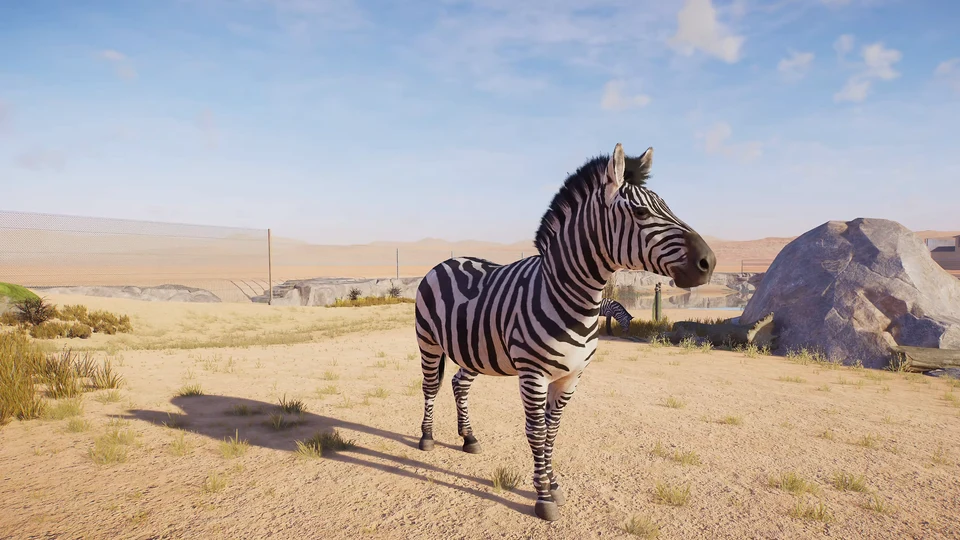
The Zoopedia lists four colourmorphs for the plains zebra: Erythristic, a red and white striped coat; Amelanistic, pale and white stripes; Part Melanistic, black and white stripes with large black blotches; and Pseudomelanistic, a dark coat with white spots. The genetics guide shows how to read a zebra's genes before you pair it.
Foals, food and the wild
Breeding is rated very easy. A mare carries one foal for 13 months and can conceive again 11 months after giving birth. Foals count as adults at 4 years, and zebras stay fertile for life; the breeding page compares that with other animals.
Food costs $174 per period. Six food enrichments fit zebras, from the Grazing Ball Feeder to the Scarecrow Feeder, and eight habitat ones, including the Mud Bath and Rubbing Pillar. Between 150,000 and 250,000 live in the wild, and the species is Near Threatened. Released zebras go to the Great Rift Valley or Tanzania, as a mixed group or a male bachelor herd; release groups has the steps.
Animals from the same biome as the Plains Zebra
Other terrestrial animals the Zoopedia lists for at least one of the same biomes: Aardvark, African Leopard, African Penguin, African Savannah Elephant, African Wild Dog, Asian Elephant, Bactrian Camel, Black Rhinoceros, Black Wildebeest, Blue Wildebeest, Cape Buffalo and Common Hippopotamus.
Plains Zebra questions
What animals can live with zebras in Planet Zoo 2?
Thirteen are on the zebra's thriving list. Eleven list it back as thriving: Black and Blue Wildebeest, Cape Buffalo, Common Warthog, Gemsbok, Masai and Reticulated Giraffe, Nyala, Sable Antelope, Springbok and Thomson's Gazelle. The Common Ostrich and White-Backed Vulture list the zebra as neutral.
How much space do zebras need in Planet Zoo 2?
One zebra needs 460 m² of land and 10 m² of shelter; each extra zebra adds 140 m² and 10 m². A herd of three needs 740 m² of land, a herd of six 1,160 m².
What colour morphs do plains zebras have in Planet Zoo 2?
Four: Erythristic, Amelanistic, Part Melanistic and Pseudomelanistic.
Can zebras and giraffes live together in Planet Zoo 2?
Yes. The zebra lists both the Masai and the reticulated giraffe as thriving, and both giraffes list the zebra the same way.
Why is my zebra research stuck in Planet Zoo 2?
Zebra research has a gate before level 4. Build three Observation Platforms in the Great Rift Valley Reserve and release a zebra group there; more vets will not move it. Release groups for zebras are open from the start.
What do zebras eat in Planet Zoo 2?
Hay and Herbivore Pellets, which makes them one of the cheapest animals to feed at $174 per period. Six feeders count as their food enrichment, among them the Grazing Ball Feeder and Scarecrow Feeder.
How do you get zebras to Thriving in Planet Zoo 2?
Coarse Sand terrain at research level 1, Water Surface Area at level 3, grade 2 food at level 4, 15 objects or plants tagged Grass at level 5 and an African Savannah Social Group at level 6. The step to level 4 needs three Observation Platforms in the Great Rift Valley Reserve.
How do you breed zebras in Planet Zoo 2?
Easily: zebras are rated very easy to breed and mate all year. A mare carries one foal for 13 months and can conceive again 11 months later, and foals are adults at 4. Young males leave the herd, so keep space for a bachelor group.
Sources
Checked against the official pages on November 22, 2026.
Continue reading

Related pages
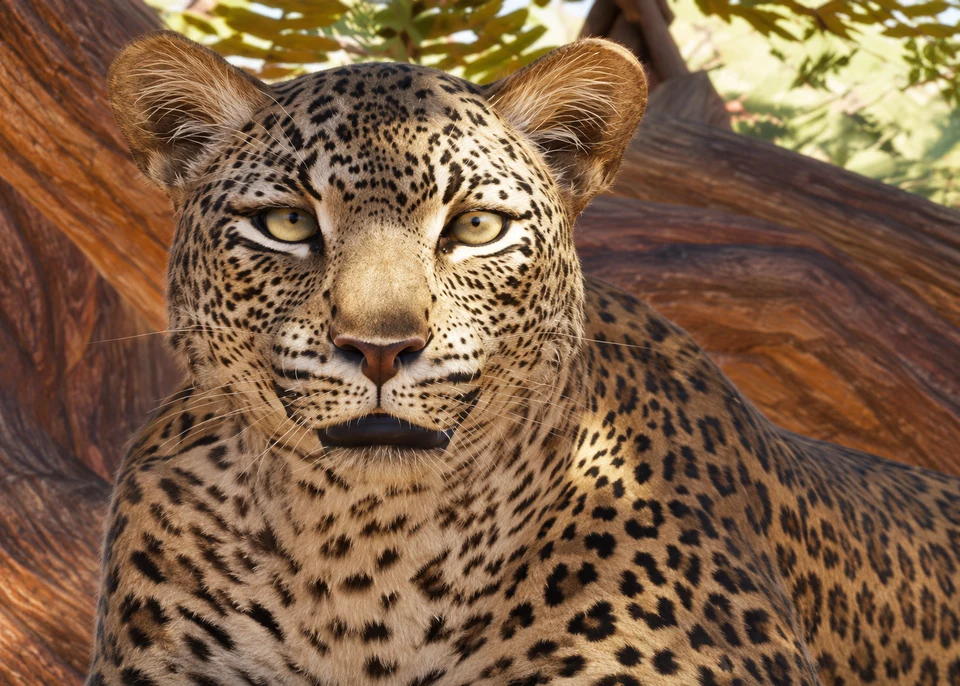 MammalPlanet Zoo 2 African Leopard: Habitat & NeedsThe African Leopard's in-game needs checked in the released game, its terrestrial habitat and biome, and the animals that share its biome.
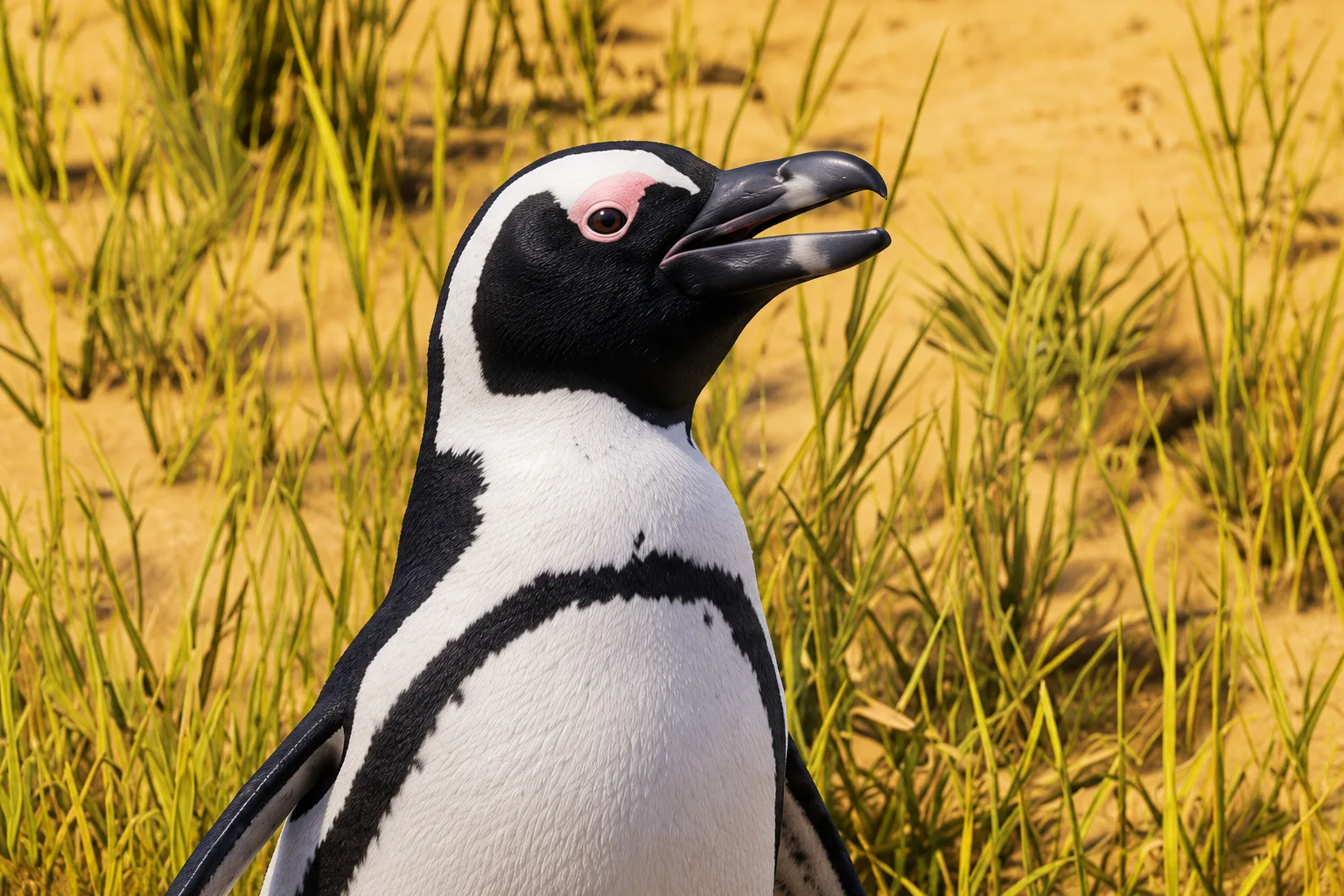 BirdPlanet Zoo 2 African Penguin: Habitat & NeedsThe African Penguin's in-game needs checked in the released game, its terrestrial habitat and biome, and the animals that share its biome.
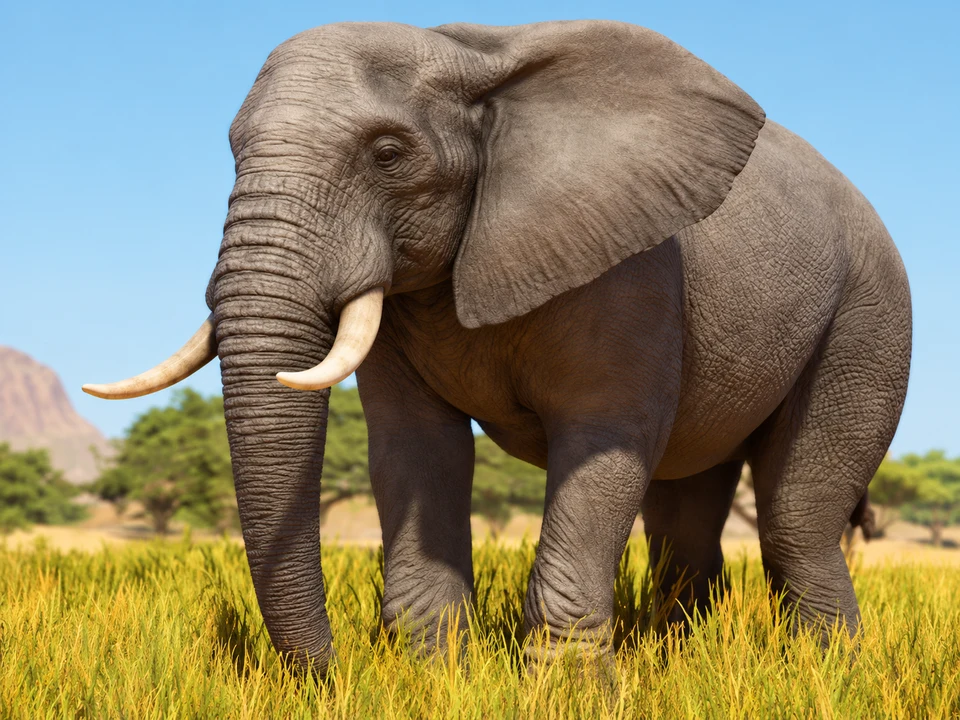 MammalAfrican Savannah Elephant in Planet Zoo 2The African Savannah Elephant's in-game needs checked in the released game, its terrestrial habitat and biome, and the animals that share its biome.